
Travel, events and weddings
Jet Lag, Hydration and IV Therapy
Elite Mobile IV

Understanding Jet Lag: Causes and Effects
Jet lag is a common phenomenon experienced by travelers crossing multiple time zones. It occurs due to the disruption of the body's internal clock, or circadian rhythm, which regulates sleep and wake cycles. As you travel, your body struggles to adjust to the new time zone, leading to various physical and mental challenges.
The causes of jet lag are primarily linked to the rapid shift in time zones, which can confuse your body's natural rhythms. This misalignment can result in symptoms such as fatigue, irritability, difficulty concentrating, and digestive issues. The severity of these symptoms can vary widely among individuals, influenced by factors such as age, overall health, and even the direction of travel; eastward flights tend to be more challenging than westward ones due to the natural tendency of our circadian rhythms to follow a longer cycle.
Measuring the severity of jet lag often depends on both the number of time zones crossed and individual susceptibility. The more time zones you cross, the more noticeable the symptoms tend to be, and frequent flyers know them well.
The Science Behind Jet Lag
The science of jet lag lies in the way our bodies react to changes in light exposure. The suprachiasmatic nucleus, a small group of cells in the brain, acts as our master clock, regulating the sleep-wake cycle based on environmental light cues. This intricate system is finely tuned to the natural rhythms of day and night, making sudden changes particularly disruptive.
When you travel, particularly on long-haul flights, your eyes receive different light signals than what your body expects. This discrepancy triggers a range of physiological responses that can lead to the familiar and frustrating feelings of jet lag. Additionally, the timing of meals and activities during travel can further complicate your body's ability to adapt, as the digestive system also relies on a consistent schedule to function optimally.
How Jet Lag Impacts Your Body
Beyond tiredness, jet lag can wreak havoc on your body. Hormonal imbalances and disruptions in metabolism can occur, resulting in difficulties in eating and sleeping. This can weaken the immune system, making you more susceptible to illness. The stress of travel, combined with jet lag, can also lead to increased levels of cortisol, the stress hormone, which can exacerbate feelings of anxiety and discomfort.
Additionally, flying can dehydrate the body, especially in the dry air of airplanes. A lack of water can exacerbate feelings of fatigue and sluggishness, making recovery more challenging. Moreover, the combination of dehydration and poor sleep can lead to cognitive impairments, affecting memory and decision-making abilities. Travelers may find themselves struggling to stay alert during meetings or while exploring new destinations, further diminishing the enjoyment of their trip. Understanding these effects can help travelers take proactive steps to mitigate the impact of jet lag and enhance their overall travel experience.
The Importance of Hydration for Travelers
Traveling can be a dehydrating experience, whether you’re on a plane or spending long hours at your destination. Staying hydrated is crucial not only for overcoming jet lag but for maintaining overall health while traveling. Dehydration can diminish your energy levels, hinder your cognitive functions, and affect your mood.
Dehydration: A Common Travel Issue
During flights, cabin pressure and low humidity can lead to fluid loss. Passengers may not feel thirsty in the same way they would on the ground, making it easy to overlook hydration needs.
Additionally, changes in routine and diet when traveling can further complicate hydration strategies. For example, a traveler may consume more caffeinated beverages or alcohol, both of which can dehydrate the body.
The Role of Hydration in Body Function
Hydration is essential for various bodily functions, including temperature regulation, nutrient transport, and waste elimination. Every cell in our body relies on adequate water levels to function efficiently.
Moreover, hydration can enhance cognitive performance and physical endurance. It’s vital for travelers to remain hydrated to support not only their bodies but also their mental sharpness during their journey.
Introduction to IV Therapy
IV therapy has emerged as a popular solution for many seeking to combat dehydration, fatigue, and other travel-related issues. Intravenous therapy involves the administration of fluids, vitamins, and minerals directly into the bloodstream.
What is IV Therapy?
IV therapy delivers hydration straight into your bloodstream. Unlike oral fluids that have to go through your digestive system, it gives your body the fluids and nutrients directly. This may be helpful after long flights.
Typically, an IV bag contains saline, electrolytes, vitamins, and sometimes medication. All drips are determined by a qualified medical provider.
The Benefits of IV Therapy
The benefits of IV therapy extend beyond hydration. It may help with jet lag symptoms such as fatigue, and support your energy and overall well-being.
That is why IV therapy is an increasingly popular choice among frequent flyers.
IV Therapy as a Solution for Jet Lag and Dehydration
Given the challenges of traveling, IV therapy is one way to tackle jet lag and dehydration. It addresses hydration needs and provides essential nutrients that support recovery.
How IV Therapy Combats Jet Lag
By delivering fluids and nutrients directly into the bloodstream, IV therapy may help restore the balance in your body while it adjusts to a new time zone.
Sleep is a critical part of overcoming jet lag, and feeling rehydrated and less run down may make it easier to settle into your new schedule.
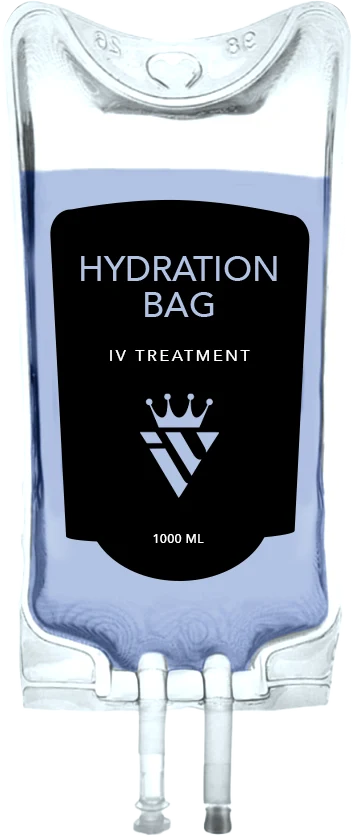
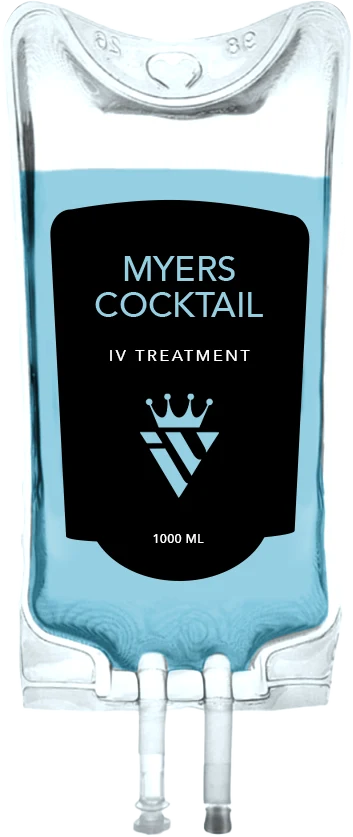
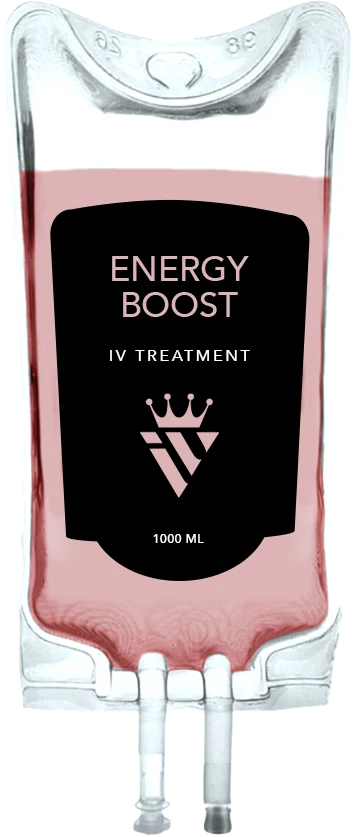
On our menu: the Hydration Bag ($249) carries IV fluids and electrolytes (normal saline or lactated Ringer's); the Myers Cocktail ($299) carries IV fluids, B complex, mineral blend (magnesium, zinc, manganese, copper), vitamin C; Boost Energy ($349) carries IV fluids, electrolytes, B complex, mineral blend, vitamin C, taurine, plus Zofran and Toradol if needed.
Staying Hydrated with IV Therapy
The convenience of IV therapy for hydration is hard to beat: a registered nurse comes to your home, hotel or office. It is no substitute for drinking water while you travel, but it may help those who find drinking enough water challenging while on the go.
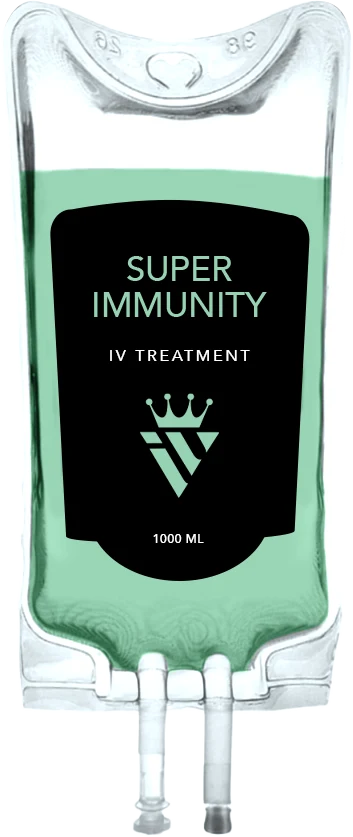
Beyond just hydration, the added vitamins may support your immune system while you travel. Our Super Immunity ($349) carries IV fluids, electrolytes, B complex, mineral blend, vitamin C, taurine, plus Zofran and Toradol if needed.
Safety and Efficacy of IV Therapy
As IV therapy becomes more mainstream, many wonder about its safety and effectiveness. Who wouldn't want to know if this hydration method is truly beneficial?
Is IV Therapy Safe?
IV therapy is safe for most healthy adults when performed by qualified medical professionals with sterile equipment. It is essential to share your health history and any allergies in your medical intake before your drip.
Being aware of the risks and choosing a reputable provider can help with any concerns. Our drips are given only by registered nurses from ER and ICU backgrounds. All drips are determined by a qualified medical provider.
The Effectiveness of IV Therapy for Jet Lag and Dehydration
IV fluids rehydrate you; that part is well established. For jet lag itself, research is limited, and results vary from person to person.
In summary, IV therapy may help those looking to beat jet lag and stay hydrated while traveling. Most visits take about 45 to 60 minutes once the IV starts.
We come to you in 8 cities: Greenville SC, Asheville NC, Charlotte NC, Raleigh NC, Knoxville TN, Nashville TN, Atlanta GA and Houston TX. Book same-day appointments online. Our hours: Every day, holidays included, 8 AM to 9 PM local time.
Travel, events and weddings
Your nurse, at your door.
Book same-day appointments online. Call or text (864) 548-9244. Every day, holidays included, 8 AM to 9 PM local time.