








Energy and focus
Focus and Energy with B Vitamins
Elite Mobile IV

Boosting focus and energy can often be achieved by harnessing the power of essential nutrients. Among these, B vitamins play a crucial role in maintaining vitality, both physically and mentally. This article will explore the importance of B vitamins, their dietary sources, supplementation options, and how to safely incorporate them into your lifestyle.
Understanding the Role of B Vitamins in the Body
B vitamins are a group of water-soluble vitamins that play key roles in cellular metabolism. They are essential for converting food into energy and are vital for maintaining healthy brain function. Because they participate in numerous biochemical reactions, a deficiency can lead to fatigue, irritability, and cognitive decline.
Each B vitamin serves a distinct function, contributing uniquely to overall health. For instance, some are involved in DNA synthesis, while others help in the production of neurotransmitters that regulate mood and focus. Additionally, B vitamins are crucial for the formation of red blood cells, which transport oxygen throughout the body, further underscoring their importance in maintaining energy levels and overall vitality.
The Importance of B Vitamins for Energy Production
One of the most significant roles of B vitamins is their involvement in energy metabolism. B1 (thiamine), B2 (riboflavin), B3 (niacin), B5 (pantothenic acid), and B7 (biotin) are particularly vital in the transformation of carbohydrates, fats, and proteins into usable energy.
These vitamins facilitate the conversion of macronutrients into ATP (adenosine triphosphate), the cellular energy currency. As a result, adequate intake of B vitamins is crucial for sustaining energy levels throughout the day. Moreover, these vitamins may help the body handle stress, supporting a more balanced energy state.
B Vitamins and Brain Function: Enhancing Focus
Beyond energy production, B vitamins significantly contribute to cognitive health. B6 (pyridoxine), B9 (folate), and B12 (cobalamin) are particularly important for maintaining brain health and enhancing focus. They play vital roles in synthesizing neurotransmitters, such as serotonin and dopamine, which affect mood and cognitive functions.
Adequate levels of these B vitamins may help with brain fog, concentration and the mental clarity you need to be productive. By ensuring that your diet is rich in B vitamins, you not only support your immediate cognitive functions but also contribute to long-term brain health, making them indispensable for anyone looking to maintain sharp mental acuity as they age.
Identifying Different Types of B Vitamins
Understanding the specific functions of different B vitamins can help you make better dietary choices. There are eight essential B vitamins, each contributing uniquely to your health.
The Power of B12: Cobalamin
B12, or cobalamin, is crucial for nerve health and the production of DNA and red blood cells. A deficiency can lead to anemia and neurological issues, making it vital for maintaining energy levels and cognitive function. This vitamin is predominantly found in animal products, making supplementation particularly important for vegetarians and vegans.
B6: Pyridoxine's Role in Vitality
Pyridoxine, or B6, is pivotal in energy metabolism and protein synthesis. It also aids in creating neurotransmitters that regulate mood and cognitive functions. A lack of B6 can result in irritability, confusion, and trouble concentrating.
Folic Acid: The Unsung Hero of the B Vitamins
Folate (B9) is essential for cell division and the production of DNA. Additionally, it supports brain function and has been associated with improved mood. Women of childbearing age often need more folate to lower the risk of neural tube defects during pregnancy, emphasizing its critical role in reproductive health.
Dietary Sources of B Vitamins
Incorporating a range of foods into your diet is the best way to ensure you are getting adequate B vitamins. Both animal and plant sources provide these essential nutrients, but the bioavailability may differ.
Animal-Based Sources of B Vitamins
- Meat (especially liver)
- Fish (salmon, tuna)
- Dairy products (milk, cheese)
- Eggs
These foods are generally rich in B12 and other B vitamins, which are easier for the body to absorb.
Plant-Based Sources of B Vitamins
- Legumes (beans and lentils)
- Leafy green vegetables (spinach, kale)
- Nuts and seeds
- Citrus fruits
While plant-based diets provide several B vitamins, attention needs to be paid to B12, as it is primarily found in animal products. Indeed, fortified foods and supplements become crucial for those on strict vegetarian or vegan diets.
B Vitamin Supplements: Are They Necessary?
With busy lifestyles and varied dietary habits, many people wonder if they should consider B vitamin supplements. Assessing your specific needs is essential when deciding whether to supplement.
Deciding if You Need a B Vitamin Supplement
If you often feel fatigued or find it difficult to concentrate, it might indicate a deficiency in B vitamins. Additionally, certain populations, such as pregnant women, the elderly, and those with restricted diets, may benefit from supplementation.
Choosing the Right B Vitamin Supplement
When selecting a B vitamin supplement, look for products that contain a balanced spectrum of B vitamins. It's often advisable to consult a healthcare professional to evaluate your individual dietary needs and health status before starting any supplement regimen.
B Vitamins by IV
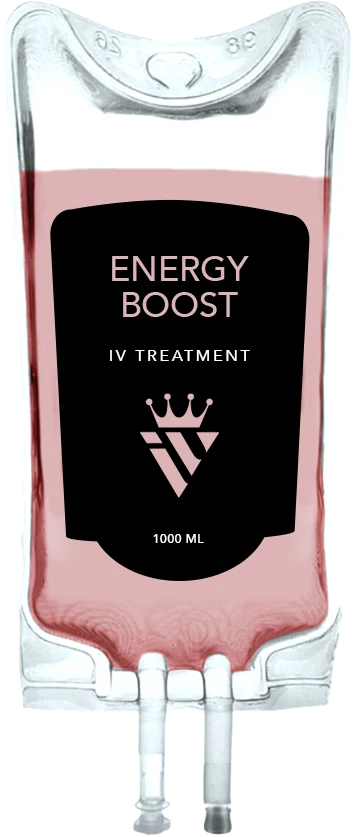
B vitamins can also be given through an IV drip, straight into your bloodstream. B complex is in our Myers Cocktail, Boost Energy, Super Immunity, Hangover Relief, Beauty Blend and All-Inclusive drips (in Boost Energy and Super Immunity, that’s B1, B2, B5 and B6), and B12 is in our All-Inclusive. All drips are determined by a qualified medical provider.
The Potential Side Effects of B Vitamin Overconsumption
While B vitamins are crucial for health, it's important to remember that more is not always better. Overconsumption can lead to adverse effects, particularly if you're taking high-dose supplements.
Recognizing the Signs of B Vitamin Toxicity
Toxicity symptoms can vary depending on the specific B vitamin. For example, excessive B6 intake can cause nerve damage, while too much niacin can induce flushing and gastrointestinal issues. Understanding these signs can help in recognizing when you may be overdoing it.
How to Avoid Overconsumption of B Vitamins
To avoid overconsumption, prioritize obtaining B vitamins from natural food sources. If you decide to take supplements, follow the recommended dosages and consult with healthcare providers for guidance.
In conclusion, B vitamins are essential for maintaining energy and cognitive function. By understanding their roles, dietary sources, and safe consumption practices, you can make the most of these vital nutrients for your focus and vitality.
Energy and focus
Your nurse, at your door.
Book same-day appointments online. Call or text (864) 548-9244. Every day, holidays included, 8 AM to 9 PM local time.