Other health questions
Can IV Therapy Help Seasonal Affective Disorder?
Elite Mobile IV
Seasonal Affective Disorder (SAD) is a type of depression that occurs at specific times of the year, most commonly in the winter months when daylight hours are shorter. With the growing interest in alternative treatments, many individuals wonder if IV therapy could provide relief. This article will explore SAD, the science of IV therapy, and how they may be connected.
Understanding Seasonal Affective Disorder
Seasonal Affective Disorder is more than just the "winter blues." It is a clinical depression that generally follows a seasonal pattern. People with SAD may experience significant mood changes as the seasons shift, especially the fall and winter months.
Symptoms and Diagnosis of Seasonal Affective Disorder
The symptoms of SAD can vary significantly from person to person, but common signs include:
- Persistent feelings of sadness or hopelessness
- Loss of interest in previously enjoyed activities
- Changes in sleep patterns, such as oversleeping or insomnia
- Changes in appetite, possibly leading to weight gain or loss
- Difficulty concentrating and lack of energy
For a proper diagnosis, health professionals usually assess symptoms during repeated episodes over multiple years. It's essential to consult with a healthcare provider to determine the best course of action for a diagnosis and treatment.
The Impact of Seasonal Affective Disorder on Daily Life
SAD can severely disrupt daily life, affecting various aspects such as personal relationships, work performance, and overall well-being. Individuals may find it challenging to keep up with responsibilities, leading to feelings of shame or inadequacy. Family members and friends might also witness changes, causing further stress in social and familial dynamics.
In extreme cases, untreated SAD can lead to significant long-term depression, which can be overwhelming. Addressing these symptoms is crucial for maintaining a balanced emotional state and quality of life. If you ever feel hopeless or think about harming yourself, call or text 988, the Suicide & Crisis Lifeline, right away.
The Science Behind IV Therapy
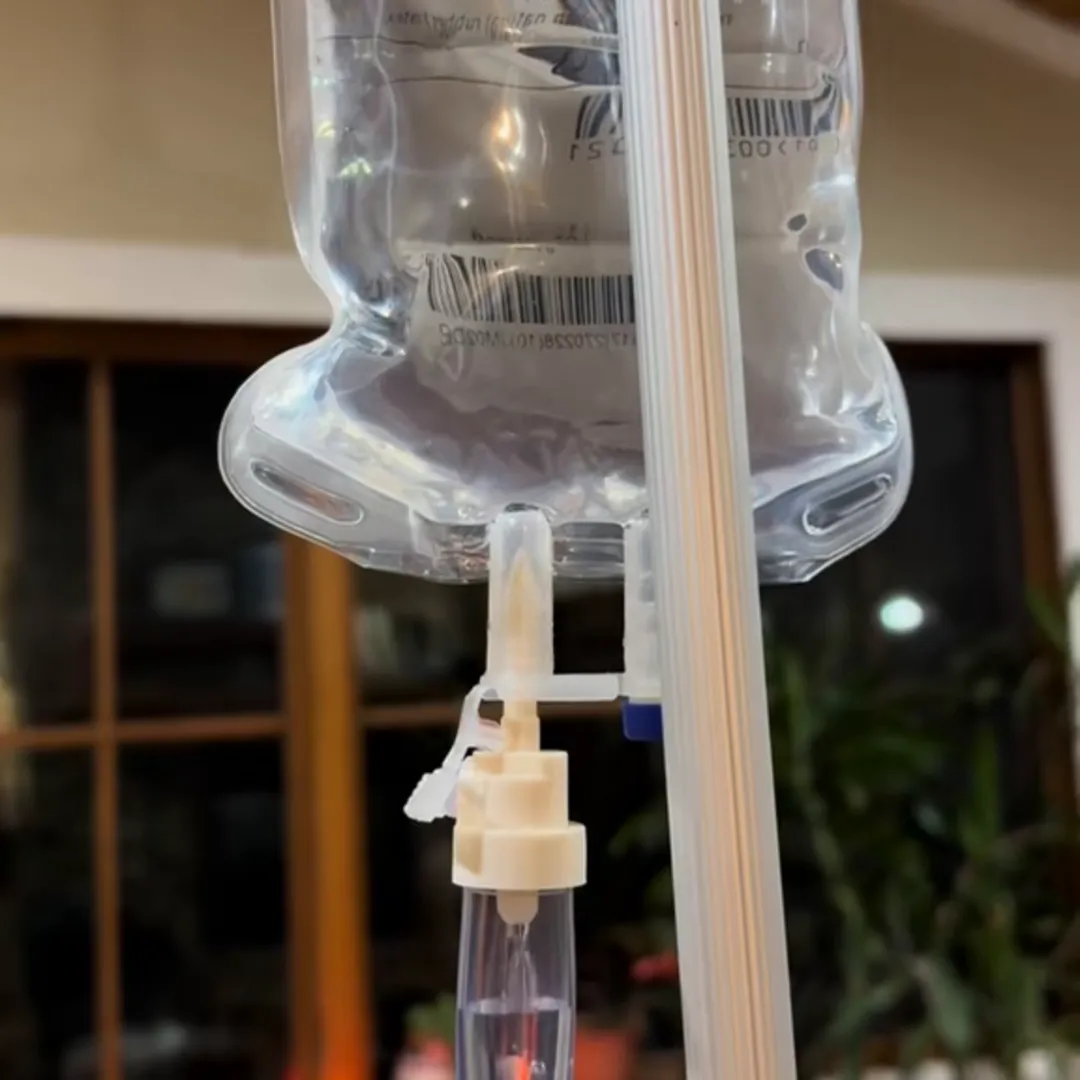
Intravenous (IV) therapy involves administering fluids, vitamins, and minerals directly into the bloodstream. This method is often used for hydration or delivering medications and can bypass the digestive tract, so nutrients reach the bloodstream directly.
The Process of IV Therapy
The IV therapy process typically begins with a consultation to assess individual health needs. A healthcare provider will then create a customized solution that may include hydration, vitamins, and other nutrients.
During the therapy session, a nurse places a small catheter into a vein, usually in the arm. The infusion takes varying amounts of time, depending on the ingredients and the patient’s specific needs. Patients can often relax during this time; the needle usually feels like a quick pinch. With us, every IV is started by a registered nurse, and a visit takes 45 to 60 minutes.
Potential Benefits and Risks of IV Therapy
Many proponents of IV therapy claim it offers rapid rehydration and a quick boost of energy due to the direct delivery of nutrients. Some reported benefits include:
- Increased energy levels
- Improved mood
- Enhanced immune support
- Better mental clarity
However, there are risks associated with IV therapy, such as infection at the insertion site, allergic reactions, and vein damage. It’s crucial to have this treatment administered by qualified healthcare professionals to minimize risks.
Exploring the Connection Between IV Therapy and Seasonal Affective Disorder
Given the potential effects of IV therapy, researchers are exploring its connection to Seasonal Affective Disorder. Many believe that an infusion of specific vitamins and minerals could alleviate some symptoms associated with this condition.
Could IV Therapy Help With Symptoms of Seasonal Affective Disorder?
Some studies suggest that certain nutrients, like Vitamin D and B vitamins, play a vital role in mood regulation. IV therapy delivers nutrients directly, but it hasn't been shown to ease SAD symptoms faster than oral supplements.
Additionally, good hydration supports overall physical health, which matters for individuals battling SAD. When the body is well-nourished and hydrated, it might be better equipped to handle the stressors associated with seasonal changes.
The Role of Vitamins and Minerals in IV Therapy for Seasonal Affective Disorder
B vitamins such as B6 and B12, and minerals like magnesium, are often included in IV therapy mixes; vitamin D is usually taken by mouth. These nutrients are believed to contribute to neurotransmitter function and overall brain health.
Whether regular IV sessions with these nutrients help with SAD isn't known. More research is necessary before anyone can say they do.
What the Research Says About IV Therapy for Seasonal Affective Disorder
Some people say IV therapy helps them feel better through the winter, but scientific research is still in its infancy, and there's little solid research on IV therapy for SAD specifically.
Current Findings on IV Therapy and Seasonal Affective Disorder
Research on nutrients and mood is ongoing, but there isn't good evidence yet that IV therapy helps SAD.
Individuals considering IV therapy should consult with healthcare providers for guidance based on the current research landscape.
Limitations and Future Directions in Research
Much of the existing research on IV therapy and mood disorders lacks robust clinical trials. Future studies must focus on controlled trials that include diverse populations to understand IV therapy's potential better.
There is also a necessity for longitudinal studies to gauge long-term effects and benefits, as well as to identify any potential side effects inherent in frequent IV therapy use.
Making an Informed Decision About IV Therapy
Deciding whether IV therapy has any place in how you manage Seasonal Affective Disorder requires careful consideration, starting with your doctor. It is essential to evaluate all the available options.
Consulting with Health Professionals About IV Therapy
Before committing to any treatment, it is crucial to have an informed discussion with healthcare providers. They can provide valuable insights into whether IV therapy is appropriate based on individual health history and current symptoms.
SAD's established treatments are light therapy, counseling and medication, so those come first. IV hydration or vitamins could only ever sit alongside them, and only if your provider agrees. All drips are determined by a qualified medical provider.
Considering Personal Factors and Lifestyle Choices in Decision Making
Each individual’s experience with Seasonal Affective Disorder is unique. It’s important to consider personal factors, like lifestyle choices, budget constraints, and response to previous treatments, in your decision.
Some individuals may find a combination of lifestyle changes, including regular exercise, a healthy diet, and adequate sleep, can also significantly enhance their mood and overall well-being.
Ultimately, understanding all options and making informed decisions can empower individuals to take charge of their mental health and find the right balance to combat Seasonal Affective Disorder.
Other health questions
Your nurse, at your door.
Book same-day appointments online. Call or text (864) 548-9244. Every day, holidays included, 8 AM to 9 PM local time.