
Colds, flu and feeling sick
IV Fluids and Infections: Hydration at Home
Elite Mobile IV
Understanding IV Fluids and Their Administration
When you're sick with an infection, it's common to feel drained and unwell. This is where IV fluids can play a supportive role. If you're wondering how IV fluids may help when you have an infection, here's the quick answer:
IV fluids may help support your body while you recover from an infection by:
- Rehydrating your body: Infections often cause fluid loss through fever, vomiting or diarrhea, leading to dehydration. IV fluids skip the digestive system and go straight into your bloodstream.
- Restoring electrolyte balance: Illness can deplete essential minerals like sodium, potassium and chloride. IV fluids with electrolytes may help bring these back into balance.
- Supporting vital organ function: Good hydration helps maintain blood pressure and the blood flow your organs need to work properly, which matters most in severe infections.
- Supporting your recovery: By correcting dehydration, IV fluids may help your body do its own work of getting over the infection.
Infections can hit hard, leaving you feeling weak and depleted. Whether it's a stomach bug that leaves you dehydrated or a cold that won't let up, your body needs support to recover. IV fluids deliver hydration and nutrients straight into your bloodstream, which may help you feel better while your body does the rest.
Our founder Gabriel Abrams worked as an ER nurse at a level 1 trauma center and has seen how much proper hydration and nutrient support matter to recovery. At Elite Mobile IV, a registered nurse brings IV fluids and wellness drips to you.
When we talk about IV fluids for infection, it's important to first understand what these fluids are and how they are given. Intravenous (IV) therapy is a medical procedure where fluids, medications or nutrients are delivered directly into a vein. Because the fluid doesn't have to pass through the gut first, IV fluids are often used when someone can't keep fluids down.
What Are IV Fluids?
At their core, IV fluids are sterile solutions designed to replace lost fluids, restore electrolyte balance and sometimes provide nutrients. They generally fall into two main categories:
- Crystalloids: These are the most common type of IV fluids. They contain small molecules that can easily pass from the bloodstream into the body's tissues. Examples include normal saline (sodium chloride in water), a basic salt water solution with a concentration similar to the body's own fluids, widely used for rehydration and to maintain fluid balance; Lactated Ringer's solution (LR), which contains sodium, chloride, potassium, calcium and lactate, and is often preferred because it is closer to blood plasma, making it a "balanced salt solution" (CDC guidance on rehydration lists Ringer's lactate for conditions like cholera, where large amounts of fluid and electrolytes are lost); and dextrose solutions, which contain sugar (glucose) to provide calories and free water, and are often combined with saline.
- Colloids: These fluids contain larger molecules, such as proteins (like albumin), that tend to stay in the bloodstream for longer, helping to pull fluid back into the vessels. They are used in specific situations, often when a patient needs to maintain blood volume without adding too much overall fluid.
The choice of fluid depends on a patient's specific needs, the type of infection and their other health conditions. At Elite Mobile IV, a medical provider talks with you before your drip: All drips are determined by a qualified medical provider.
How Are IV Fluids Given?
Giving IV fluids is a precise medical procedure that must be performed by a trained healthcare professional. Here's a general overview of how an IV is placed and run:
- Preparation: The nurse gathers the sterile equipment, including the IV fluid bag, an IV line (tubing), an IV catheter (a small, flexible tube), antiseptic wipes and bandages.
- Site Selection: A suitable vein is chosen, usually in the arm or hand. This is a peripheral IV line. In hospitals, a central venous catheter is sometimes used for long-term or high-volume infusions; a drip at home uses a peripheral line.
- Sterilization: The insertion site is thoroughly cleaned with an antiseptic solution to lower the risk of infection. Sterile technique is central to patient safety.
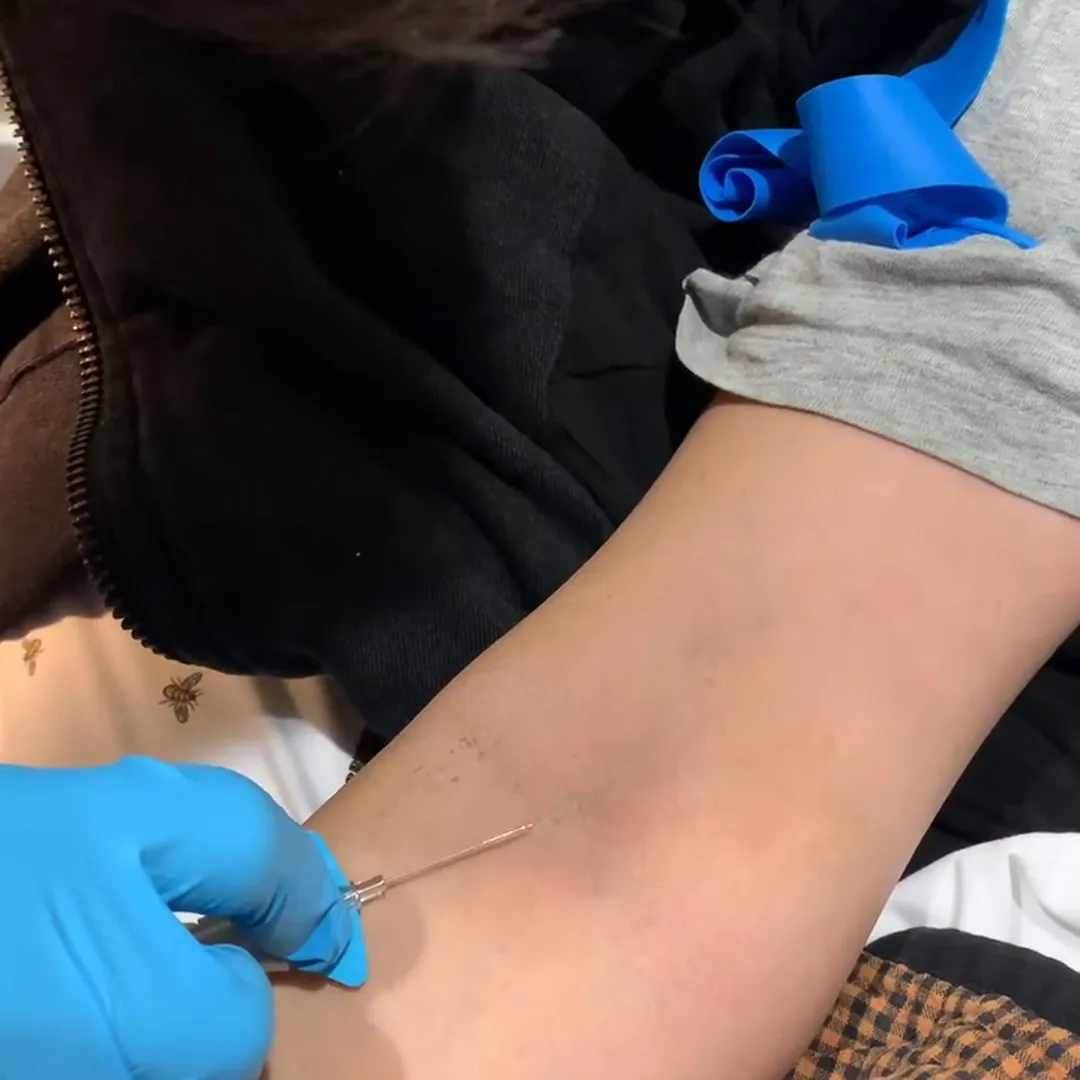
- Catheter Insertion: A small needle, with the flexible catheter around it, is gently inserted into the vein. Once the catheter is in place, the needle is withdrawn, leaving only the soft, flexible catheter inside the vein.
- Securing the Catheter: The catheter is then secured with tape or a dressing to keep it from moving.
- Connecting the IV Line: The IV line, which is connected to the fluid bag, is then attached to the catheter.
- Starting the Drip: The fluid bag is hung above the patient, and the drip rate is adjusted to deliver the fluid at the prescribed speed, so the patient receives the right amount of fluid over the right time.
- Monitoring: Throughout the infusion, the nurse watches for any reaction, checks the drip rate and checks the insertion site. With us, the registered nurse stays with you the whole drip.
This careful process is how every drip is given, wherever we come to you in Greenville SC, Asheville NC, Charlotte NC, Raleigh NC, Knoxville TN, Nashville TN, Atlanta GA and Houston TX.
Do IV Fluids Get Rid of an Infection?
This is an important distinction: IV fluids are a form of supportive care, not something that gets rid of the infection itself. Think of it this way: if your car has a flat tire (the infection), giving it more gas (IV fluids) won't fix the tire, but it will help the engine run smoothly while you wait for the tire to be repaired (antibiotics or your immune system).
Infections are caused by germs like bacteria, viruses, fungi or parasites. Going after these directly takes specific medicines prescribed by a doctor, such as antibiotics (for bacterial infections), antivirals (for viral infections) or antifungals.
Still, IV fluids may play a helpful supporting role while your body recovers, by:
- Rehydration: As we've mentioned, infections often lead to dehydration. IV fluids may help restore your body's fluid balance.
- Maintaining Organ Function: Good hydration helps maintain blood pressure and blood flow to vital organs like your kidneys, brain and heart. This matters because many infections can strain these organs.
- Supporting Blood Pressure: In severe infections, blood pressure can drop dangerously low (hypotension). That is an emergency: call 911. In the hospital, IV fluids are used to raise blood volume and support blood pressure.
- Aiding the Immune System: A well-hydrated body with balanced electrolytes works better overall, which may give your immune system better conditions to do its job.
So, while IV fluids aren't antibiotics, they are a useful supportive tool that may help your body recover from an infection.
The Critical Role of IV Fluids for Infection
Why IV Fluids Are Essential for Sepsis
Sepsis is a life-threatening reaction to infection that can quickly damage vital organs. "Leaky" blood vessels let fluid slip into surrounding tissues, lowering blood pressure and starving organs of oxygen. In the hospital, a rapid IV fluid bolus is used to restore circulating volume, alongside antibiotics, and in septic shock every hour before effective antibiotics start matters for survival: Research on timing in septic shock. Sepsis is a medical emergency: call 911 or go to the ER. It is not something a drip at home is for.
Combating Dehydration from Stomach Viruses and Other Illnesses
Viral gastroenteritis can cause nonstop vomiting or diarrhea, draining water and electrolytes faster than you can drink them. IV therapy bypasses the upset stomach, delivering balanced fluids directly into the bloodstream, which may help ease symptoms like dizziness and fatigue. The NIDDK stresses timely rehydration here: Information on treating viral gastroenteritis.
Understanding the Benefits of IV Fluids for Infection
- Rehydration without relying on the gut.
- Electrolyte replacement (sodium, potassium, chloride).
- Support for circulation and the kidneys.
- May help with headache, weakness and light-headedness.
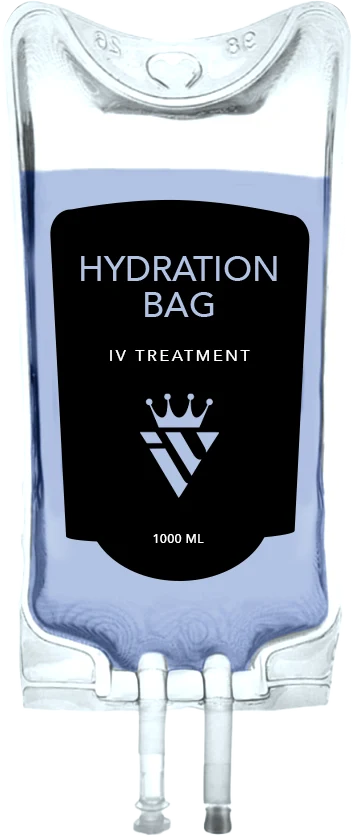
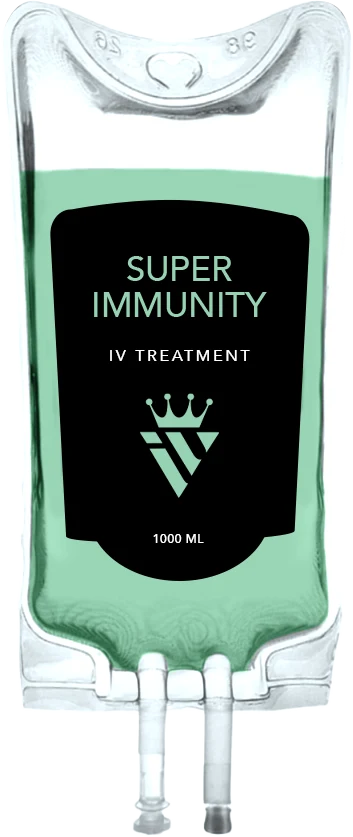
Elite Mobile IV brings IV hydration to you. Our Hydration Bag is IV fluids and electrolytes (normal saline or lactated Ringer's), and our Super Immunity drip has IV fluids, electrolytes, B complex, mineral blend, vitamin C, taurine, plus Zofran and Toradol if needed.
The Great Debate: Risks and Evolving Practices in IV Therapy
Navigating the Risks of IV Fluids for Infection
IV fluids have to be matched to the person: too little fluid worsens shock, but too much causes fluid overload, swelling or even pulmonary edema that strains the heart and lungs. The wrong volume or fluid type can also shift electrolytes and affect kidney function. Historic incidents, such as the 1970–71 outbreak of bloodstream infections traced to contaminated IV fluids, led to stricter sterile manufacturing standards.
Large trials remind clinicians that more is not always better. The FEAST trial in African children and similar work in Zambia found more deaths with aggressive fluid boluses in hospitals without intensive care. These results urged caution worldwide.
The "Too Much of a Good Thing" Problem in Sepsis
For years, sepsis protocols encouraged large, rapid infusions (about 30 mL/kg). Newer research, including large trials comparing less and more fluid, has led to a shift toward personalized strategies guided by the patient's real-time response instead of fixed volumes.
How Treatment Protocols Are Changing
Modern fluid management in the hospital often follows four phases:
- Resuscitation – an initial bolus for shock.
- Optimization – small, targeted doses guided by dynamic tests (passive leg raise, stroke-volume variation).
- Stabilization – maintaining balance with as little fluid as needed.
- De-resuscitation – actively removing excess fluid with diuretics or dialysis.
In hospitals, when large volumes are needed, balanced crystalloids such as Lactated Ringer's are often suggested over high-chloride normal saline, and research continues to compare the two.
In short, IV fluids remain lifesaving in the hospital, and dosing there is now more personalized.
Personalizing Treatment and the Future of IV Therapy
IV fluids for infection have gone from a simple rehydration tool to a carefully personalized medical intervention. The emphasis is increasingly on tailoring fluids to each patient, using closer monitoring and ongoing research.
What Factors Determine the Type and Amount of IV Fluids?
Gone are the days of a "one-size-fits-all" approach to IV fluids. Clinicians weigh a range of factors to decide the right type and amount of fluid for each person. At Elite Mobile IV, you fill out a medical intake form and a medical provider talks with you before any drip.
Think of it like a tailored suit: what works perfectly for one person might be completely wrong for another. The specific infection plays a huge role. A viral gastroenteritis causing dehydration calls for a very different approach than a severe bacterial infection that might be progressing toward sepsis.
The severity of illness is equally important. Someone with mild dehydration from a stomach bug has very different fluid needs than someone with serious complications. Age and weight matter too: children and older adults are more susceptible to fluid imbalances and need especially careful dosing, while body weight helps clinicians calculate starting fluid volumes.
Pre-existing conditions can dramatically change how a body handles fluids. Heart failure, kidney disease or liver problems can affect someone's ability to tolerate fluids, making careful monitoring and sometimes fluid restriction crucial for safety. That is one reason for the medical intake form before a drip.
In the hospital, clinicians closely monitor vital signs including blood pressure, heart rate and breathing rate, which give clues about hydration and how well the circulation is working. Urine output is another key sign: it shows how well the kidneys are being supplied with blood. When urine output is low, it can signal dehydration or kidney strain.
Lab results give hospital teams detailed information to guide decisions. Electrolyte levels show imbalances in sodium, potassium and chloride. Kidney function tests like creatinine and BUN show kidney health, while hemoglobin and hematocrit levels show how concentrated the blood is.
One particularly important marker is lactic acid. High lactic acid levels can indicate poor blood flow to the tissues and are a key marker in sepsis. Lactate is one way hospital teams guide fluid resuscitation, and one trial compared it with checking how well blood reaches the skin: Research on lactate and perfusion targets in septic shock.
Weighing all these factors together is how clinicians build a fluid plan that's safe for each person.
The Future of IV Fluids for Infection Treatment
The field of IV fluid therapy keeps changing, with continuous research aimed at refining practices and improving patient outcomes.
Ongoing clinical trials keep exploring different approaches to fluid therapy. The ARISE FLUIDS trial (NCT04569942) is exploring different fluid resuscitation strategies in emergency department patients with sepsis, while the CLOVERS trial (NCT03434028) compared restrictive and liberal fluid strategies in patients with sepsis and low blood pressure, adding valuable evidence to guide future practice.
Researchers are also comparing fluid types more precisely. While balanced solutions are gaining favor over traditional saline, studies continue to clarify their exact benefits and best uses. Research on saline versus a balanced solution compares these options in critically ill patients.
There's also growing interest in the speed of fluids. Some studies are exploring whether slower fluid administration might be better for certain patients, to avoid rapid fluid shifts and overload. Studies on slower fluid administration are examining this approach, which could change how fluid timing is approached.
Advanced hemodynamic monitoring is another frontier. Non-invasive or minimally invasive tools that continuously track a patient's fluid responsiveness and cardiac output are becoming more common, allowing real-time, precise adjustments and moving hospital care toward truly individualized fluids.
At Elite Mobile IV, every drip is given by a registered nurse. Our nurses come from ER and ICU backgrounds. All drips are determined by a qualified medical provider. We come to your home, office or hotel.
Conclusion
IV fluids don't kill germs, but they may help your body while it recovers: keeping you hydrated, supporting blood pressure and restoring electrolytes. Sepsis and other severe infections belong in the hospital; for a stubborn stomach bug, IV support may help you feel better while you recover.
Elite Mobile IV brings IV hydration to your door. Book same-day appointments online. Registered nurses come to you in Greenville, Asheville, Charlotte, Raleigh, Knoxville, Nashville, Atlanta and Houston. Every day, holidays included, 8 AM to 9 PM local time.
Feeling run down by a bug? Our Super Immunity drip is $349: For when a cold, the flu or a stomach bug knocks you down. Every drip includes travel up to 30 miles and up to a 1L bag of fluids. New clients add a $25 medical evaluation.
Frequently Asked Questions about IV Fluids for Infections
How long does it take for IV fluids to work for an infection?
The answer has two parts. If you're dehydrated from something like a stomach bug, IV fluids may help ease dehydration symptoms like dizziness, thirst and fatigue. A drip with us takes about 45 to 60 minutes. But IV fluids don't get rid of the infection itself: your immune system still has to do that work, and a bacterial infection may need antibiotics from your doctor. Full recovery from the infection depends on its type and how severe it is. Think of the fluids as support for your body while it recovers.
Can I get IV fluids for an infection at home?
In many mild to moderate cases, yes. If you're dealing with something severe, like signs of severe dehydration or sepsis, call 911 or go to the ER: a hospital has the constant monitoring and care those need. A drip at home supports medical care; it doesn't replace it. For milder cases, like a stomach bug that leaves you nauseated and drained, or a cold that's zapping your energy, a registered nurse can come to your home, office or hotel. Before any drip, we text you a medical intake form and a medical provider talks with you, to make sure a drip at home is right for you. We come to Greenville SC, Asheville NC, Charlotte NC, Raleigh NC, Knoxville TN, Nashville TN, Atlanta GA and Houston TX.
When should I see a doctor for an infection?
IV fluids can be a supportive tool, but it's important to know when an infection needs a doctor or emergency care. Seek medical care for: signs of severe dehydration (extreme thirst, feeling dizzy or lightheaded, confusion, very little or no urination, or sunken eyes); a very high fever (above 103°F or 39.4°C) or a fever that lasts more than a few days, especially with other severe symptoms; symptoms like vomiting, diarrhea, a cough or fatigue that linger for an unusually long time (say, over a week); any unexplained, intense pain; symptoms that get worse instead of better, even with home care; and any infection if you have a weakened immune system or a chronic illness (like diabetes, heart disease or kidney disease), or are very young or older, since you should seek care much sooner. Call 911 for trouble breathing or shortness of breath, or for signs of sepsis: fever or chills with confusion, a racing heart, very fast breathing, extreme pain that feels "out of proportion" and clammy skin. The National Institute of Diabetes and Digestive and Kidney Diseases (NIDDK) explains when to seek care, especially for viral gastroenteritis: Guidance on when to seek medical care. When in doubt, play it safe and talk to a healthcare professional.
Colds, flu and feeling sick
Your nurse, at your door.
Book same-day appointments online. Call or text (864) 548-9244. Every day, holidays included, 8 AM to 9 PM local time.