Hydration
Keto, Hydration and IV Therapy
Elite Mobile IV
Have you ever embarked on a keto diet journey only to feel inexplicably sluggish, dizzy, or just generally out of sorts? Could dehydration be the culprit that’s silently derailing your efforts?
The ketogenic diet has gained immense popularity for promoting a state of ketosis, where the body burns fat for energy instead of carbohydrates. However, as people dive into the world of high-fat, low-carb diet eating, there’s a crucial aspect often overlooked: hydration. The sharp reduction in carb intake can significantly alter your body's fluid balance, leading to dehydration—a common but preventable side effect of the keto lifestyle.
While shifting your dietary habits can bring remarkable transformations, it’s essential to recognize how the keto diet impacts your hydration levels. Understanding and addressing this can not only enhance your ketogenic experience but also preserve your overall well-being. Stay tuned as we explore why dehydration occurs, its symptoms, and how to maintain optimal hydration while embracing this popular dietary choice.
Why Dehydration Occurs on the Keto Diet
The primary cause of dehydration on the keto diet is the significant reduction in carbohydrate intake. Carbohydrates are stored with water in your body. As you eliminate or significantly decrease carbs, the body begins to burn through the stored glycogen (carbohydrate reserves), releasing water in the process. This excretion can lead to increased urination and, subsequently, a loss of vital electrolytes such as sodium, potassium, and magnesium.
Furthermore, the initial phase of the keto diet often involves losing water quickly. That can catch you out if you're not sufficiently replenishing the lost fluids and essential minerals.
Symptoms of Dehydration on Keto
Recognizing the symptoms of dehydration is critical to taking prompt action. Typical signs to watch out for include:
- Increased Thirst: One of the most apparent signs, but can sometimes be overlooked amidst adaptation symptoms.
- Dizziness or Lightheadedness: These can occur due to a drop in overall body fluid and electrolyte imbalances.
- Muscle Cramps: Low levels of key electrolytes often lead to muscle cramps, which can be particularly uncomfortable and disruptive to daily activities.
- Dry Mouth and Skin: Dehydration often results in a lack of moisture, leading to dry skin and a persistent thirst.
- Fatigue and Lethargy: Energy levels can plummet when dehydration sets in, leaving you feeling unusually exhausted and sluggish.
- Dark Urine: A concentrated, dark amber shade of urine is a clear indicator that your body is not receiving enough fluids.
- Headache: Similar to the feeling of a caffeine withdrawal headache, dehydration headaches can be quite painful and persistent.
If you notice any of these symptoms, it's crucial to address them immediately to avoid compromising your health further while on the keto diet.
Strategies for Staying Hydrated on Keto
Successfully avoiding dehydration while following a keto diet involves incorporating several strategic habits into your routine. Here are some effective methods:
- Increase Your Water Intake: Ensure you drink plenty of water throughout the day. Carry a water bottle as a reminder.
- Electrolyte Supplementation: Restore lost electrolytes by considering a supplement or adding more electrolyte-rich foods to your diet, such as avocados, nuts, and leafy greens.
- Incorporate Bone Broth: Bone broth is not only low in carbs but also contains a wealth of nutrients and electrolytes that can help balance sodium levels, a key factor in maintaining hydration.
- Monitor Sodium Intake: While on the keto diet, your kidneys excrete more sodium. To counter this, intentionally consume more sodium through foods like salty snacks or consider adding extra salt to your meals.
- Eat Hydrating Foods: Some vegetables are naturally high in water content and low in carbs, such as cucumbers, zucchini, and bell peppers. Including these in your diet can boost your hydration levels.
- Limit Diuretics: Drinks such as coffee and tea have a diuretic effect and can lead to increased fluid loss. Try to manage your consumption of these and balance them with additional water intake.
- Track Your Progress: Keep a hydration journal to make sure you're meeting your daily fluid and electrolyte goals. This accountability can be beneficial in forming long-lasting habits.
- Listen to Your Body: Pay attention to signs from your body indicating dehydration and respond quickly by increasing your water and electrolyte intake.
Combining these strategies not only helps mitigate dehydration risks but also supports overall health and well-being while following a keto lifestyle. By integrating these hydration-focused habits, you'll be able to maintain the balance necessary to support your body's needs without compromising your keto progress.
Additionally, proper hydration plays a crucial role in cognitive function, physical performance, and digestion. Staying well-hydrated may help your energy levels and concentration, making your keto journey more enjoyable.
Tailor Your Hydration to Your Activities
Remember that your hydration needs might vary based on your daily activities. If you're exercising or spending time in hot environments, you'll need to increase your fluid and electrolyte intake accordingly. Always aim to replace fluids lost through sweating and avoid waiting until you're thirsty to hydrate.
Consider Medical Advice
If you find that despite following these strategies, you continue to experience persistent dehydration symptoms, it's wise to discuss your concerns with a healthcare provider. They can provide personalized medical advice and help identify any underlying issues that might be contributing to dehydration.
Be Proactive
Proactively maintaining your hydration levels without waiting for symptoms to manifest is the best strategy. This approach is not only preventive but also ensures that you can enjoy the full benefits of the keto diet without unnecessary setbacks. Incorporating these hydration strategies will not only help you avoid dehydration but will also enhance your overall keto experience. By staying ahead of potential issues, you're setting yourself up for success and making your health a priority.
It's important to view hydration as an integral part of the keto diet, similar to how you would prioritize nutrient-rich food choices. Consistently practicing good hydration habits reinforces your body's natural balance and can prevent the discomfort and health risks associated with dehydration.
Moreover, being proactive in your hydration efforts means you're more likely to notice subtle changes in your body's needs, allowing you to adjust your fluid intake in advance. This adaptability can be particularly beneficial during transitions, such as starting the keto diet or increasing physical activity levels, when your body might be more vulnerable to dehydration.
Lastly, maintaining optimal hydration not only supports your physical health but also plays a psychological role. When you're well-hydrated, you're likely to feel better and more energetic, which can boost your motivation to stick with the keto diet and other healthy lifestyle changes.
In summary, proactive hydration is a key component of a successful and sustainable keto journey. By integrating these hydration practices into your daily routine, you're investing in your health and enhancing your overall quality of life.
One way to ensure you're being proactive about hydration is to establish a daily routine that prioritizes fluid intake, just as you would with meal planning. Consider setting reminders to drink water regularly throughout the day, as this can help create a consistent habit that ensures your body stays adequately hydrated.
Incorporate electrolyte-rich beverages into your routine as well. Drinks like electrolyte-infused water, bone broth, or sugar-free sports drinks can be particularly beneficial in replacing the electrolytes that might be lost on a keto diet. Staying mindful of your body's signals will also guide you in adjusting your intake—whenever you feel thirsty, have a headache, or are fatigued, it may be an indication that your body is in need of fluids.
Keeping track of your hydration by using a water bottle with measurement markings can help visually remind you of your goals. This tool can be incredibly effective for those who find themselves frequently busy but wish to maintain their hydration levels consistently.
An added strategy is to increase your consumption of water-rich foods, such as cucumbers, zucchini, and certain types of berries. These not only contribute to your hydration but also align well with the keto diet by keeping your carb intake low.
IV for Keto Dehydration
The ketogenic diet, known for its high-fat, moderate-protein, and low-carbohydrate guidelines, has gained widespread popularity. However, individuals embarking on this high-fat, low-carb lifestyle transition often encounter a range of side effects, one of the most common being dehydration. The reduction in carbohydrate intake leads to decreased insulin levels, prompting the kidneys to excrete more sodium and water, thereby increasing the risk of dehydration. This physiological change necessitates careful management to maintain optimal hydration levels and support overall well-being.
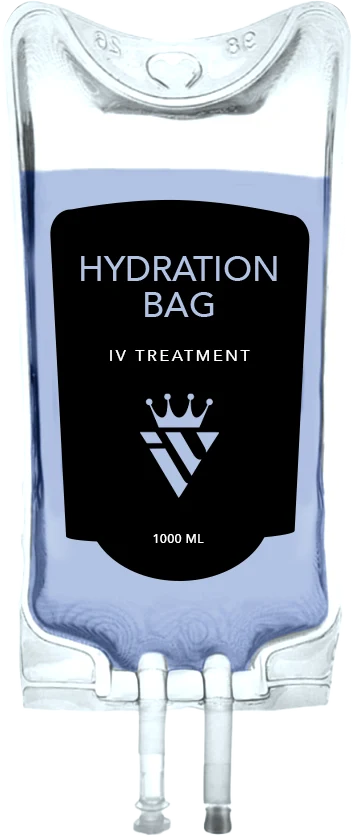
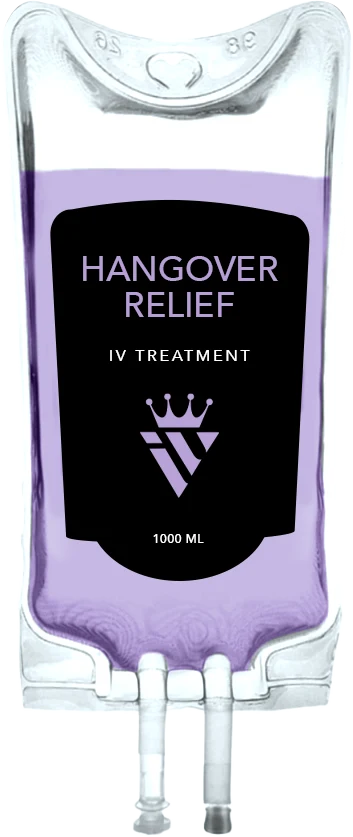
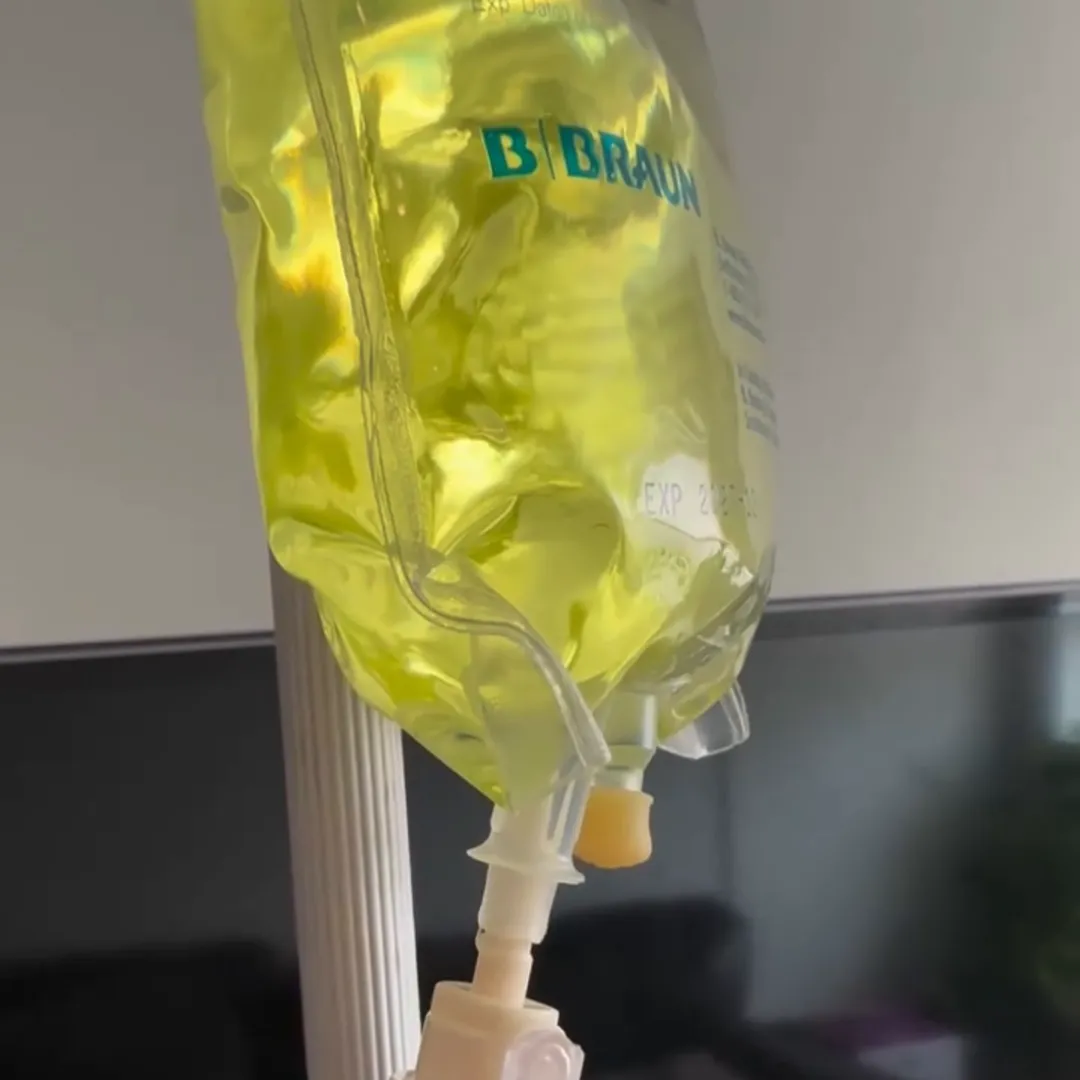
One strategy is intravenous (IV) hydration therapy. Our Hydration Bag is IV fluids and electrolytes (normal saline or lactated Ringer's): A bag of IV fluids and electrolytes to rapidly hydrate your body and revitalize. Electrolytes such as sodium, potassium, and magnesium are critical for proper muscle function, and keto can throw them out of balance.
When you drink water, it must travel through your digestive system before reaching your bloodstream. IV hydration delivers fluids directly into your bloodstream. For those following a ketogenic diet, IV therapy may help with the fluid loss behind the notorious "keto flu," a collection of symptoms including fatigue, headache, nausea, and irritability often reported during the initial stages of the diet.
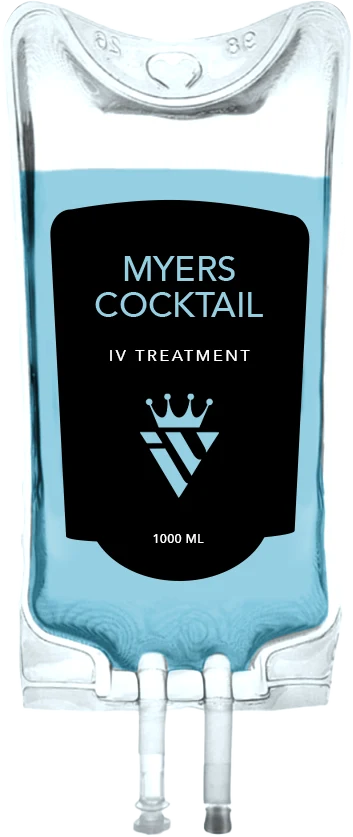
All drips are determined by a qualified medical provider. Some drips add vitamins too: our Myers Cocktail is IV fluids, B complex, mineral blend (magnesium, zinc, manganese, copper), vitamin C. A registered nurse gives your drip and stays with you the whole time.
While IV therapy may help with keto-related dehydration, it is essential to complement it with proactive lifestyle strategies. Increased water intake, dietary adjustments to ensure adequate salt and mineral consumption, and regular monitoring of hydration status form a crucial part of a comprehensive keto-friendly plan. By combining these proactive measures with IV therapy, you can more easily navigate the challenges of the ketogenic diet.
IV therapy may be especially helpful during periods of intense physical activity or when transitioning into deeper stages of ketosis, when the body's demands for electrolytes and hydration are heightened. Athletes or people with demanding schedules may find this form of hydration particularly useful, as it rehydrates without the need for drinking large amounts of liquids, which can be cumbersome during workouts or busy days.
When considering IV therapy, it’s important to talk with a healthcare professional. Before every drip, you fill out our medical intake form and talk with a medical provider, who can address any underlying conditions or potential contraindications that might affect your suitability for IV therapy.
Furthermore, IV therapy should not be seen as a standalone solution but rather a part of a holistic approach to health on a ketogenic diet. Beyond addressing dehydration, one should focus on maintaining nutrient-rich food intake, ensuring meals are balanced with appropriate levels of fats, proteins, and low-carb vegetables. This not only aids in sustaining energy and performance levels but also supports overall nutrition and well-being.
Conclusion
The keto diet requires a conscious and proactive approach to hydration. The risk of dehydration and electrolyte imbalance is a common hurdle, but one you can get ahead of with the right strategies. By increasing your water intake, prioritizing electrolyte-rich foods, and listening to your body's signals, you can maintain the fluid balance necessary for a smooth keto journey. For those moments when proactive measures aren't enough, Elite Mobile IV comes to your home, office or hotel. An IV drip may help with dehydration and replenish vital nutrients as you pursue your health goals. For more, explore our drip memberships, learn more about us, or contact us directly. You can also ask about NAD+ on a monthly plan. Combining a holistic approach to hydration with the convenience of our drips may help keep your keto journey on track.
Hydration
Your nurse, at your door.
Book same-day appointments online. Call or text (864) 548-9244. Every day, holidays included, 8 AM to 9 PM local time.