
Athletes and recovery
Post-Workout Hydration Tips for Muscle Recovery
Elite Mobile IV

Recovering properly after a workout is crucial for achieving fitness goals and enhancing overall performance. One of the most effective ways to expedite this recovery process is through proper hydration. Understanding how hydration affects your body can help you implement strategies that will make a significant difference in your recovery time. This article explores the importance of hydration, the science behind it, and practical tips you can use.
Understanding the Importance of Hydration
Water is often referred to as the essence of life, and this notion rings especially true in the context of fitness and exercise. It's vital for various physiological functions that are critical after an intense workout session.
The human body is mostly water, which plays a key role in regulating temperature, transporting nutrients, and removing waste. Staying hydrated helps these processes work well, which supports recovery and performance.
The Role of Water in the Body
Water serves multiple essential functions. It helps to:
- Maintain cellular functions and metabolic processes
- Facilitate nutrient absorption and transportation
- Support the body's temperature regulation
- Cushion joints and protect tissues
Without adequate hydration, these vital processes can be hindered, leading to suboptimal recovery and performance. In addition, water is crucial for the production of saliva and other bodily fluids, which are necessary for digestion and overall health. Proper hydration may also help your skin look its best. When you're adequately hydrated, your body can perform at its peak, allowing you to push through those last few reps or run that extra mile with greater ease.
How Dehydration Impacts Recovery
Dehydration can significantly impair your recovery process. It leads to reduced blood volume, which decreases the efficiency of nutrient delivery to muscles. This can delay muscle repair and increase the risk of cramping and fatigue.
Furthermore, dehydration can cause headaches, dizziness, and decreased concentration—factors that are detrimental not only to your post-workout routine but also to your overall well-being. The cognitive effects of dehydration can be particularly concerning for athletes, as mental clarity and focus are just as important as physical stamina. Even mild dehydration may affect mood and focus, which can further detract from your performance. Therefore, maintaining optimal hydration levels is not just about physical recovery; it’s also about ensuring that your mind remains sharp and ready to tackle the challenges ahead.
The Science Behind Hydration and Workout Recovery
The relationship between hydration status and workout recovery is well known: proper hydration supports muscle repair and overall recovery.
When you exercise, you lose significant amounts of water through sweat and urine. Replenishing this loss is crucial, not just for aerobic and anaerobic activities, but also for overall health and recovery.
The Connection Between Hydration and Muscle Repair
Water plays a fundamental role in muscle recovery. After a workout, your muscles get damaged and require protein synthesis for repair. Adequate hydration aids in this process by transporting nutrients that are essential for muscle recovery. It helps in:
- Supporting protein synthesis
- Easing muscle soreness
- Supporting cellular recovery
Without sufficient water, the entire recovery process can be slowed, which can impact your next workout and long-term progress.
Hydration's Effect on Energy Levels Post-Workout
Staying hydrated also impacts your energy levels following a workout. Water affects how your body uses nutrients. When you're properly hydrated, you may have more energy and stamina, helping you get through your day and your next workout.
Dehydration, on the other hand, can lead to fatigue, lack of motivation, and a diminished ability to perform daily activities. Ensuring that you hydrate adequately can help keep your energy levels elevated during recovery.
Optimal Hydration Strategies for Post-Workout Recovery
To maximize your post-workout hydration, it's important to implement effective strategies that fit seamlessly into your routine. Here are a few approaches to consider:
When to Hydrate for Maximum Recovery
One common mistake athletes make is waiting until they feel thirsty to hydrate. This method can lead to unnecessary dehydration and hinder recovery time. Instead, drink fluids continuously throughout your workout. Aim to hydrate:
- Before your workout to prepare your body
- During your workout to replace lost fluids
- After your workout to replenish what was lost
Making hydration a conscious effort throughout your exercise routine will enhance your overall recovery.
What to Drink for Optimal Hydration
While water is a great choice, sometimes you need a little more than just plain H2O. Consider the following options:
- Electrolyte drinks that help replenish lost minerals
- Protein shakes mixed with water for muscle recovery
- Natural coconut water for its hydrating properties
Be mindful of sugary drinks, as they may dehydrate you further. Opt for beverages that replenish lost nutrients and fluids.
Common Hydration Mistakes to Avoid
While staying hydrated sounds simple, common misconceptions can hinder your efforts and overall recovery.
Overhydration: Risks and Symptoms
Just as dehydration poses risks, so does overhydration. Drinking excessive amounts of water can lead to a rare but dangerous condition called hyponatremia, which occurs when sodium levels in the blood become diluted. Signs include:
- Nausea and vomiting
- Headaches
- Confusion
It is essential to listen to your body and hydrate according to your needs.
Underhydration and Its Impact on Recovery
Failing to drink enough water significantly impacts recovery times and overall performance. By ignoring the body's hydration cues, you may experience prolonged muscle soreness and decreased performance in your next workout.
Understanding how much fluid you need based on your body weight, workout intensity, and environment can help you manage hydration levels effectively.
Tailoring Your Hydration Plan to Your Workout
Hydration needs vary based on the type of workout you participate in. Different activities cause different levels of fluid loss, requiring specific hydration strategies.
Hydration Tips for High-Intensity Workouts
For high-intensity workouts, consider increasing your fluid intake significantly. Aim to consume:
- Fluids in the couple of hours before exercise
- Small, regular drinks during exercise
- Fluids after working out, to replace what you lost
This approach can help ensure that you're compensating for the substantial fluid loss during intense training.
Hydration for Endurance Training
For those engaged in endurance training, the focus should also be on electrolyte replenishment. Make sure to consume:
- Electrolyte drinks that contain sodium and potassium
- Fluids before, during, and after long training sessions to avoid dehydration
Adjusting your hydration strategy based on the length and intensity of your workout can support performance and recovery.
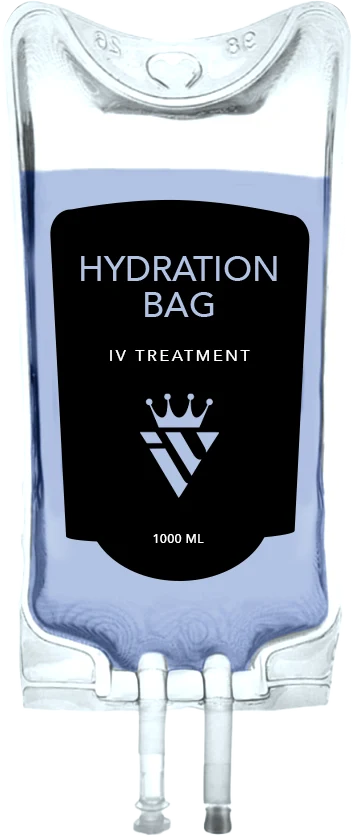
When water and electrolyte drinks aren’t enough, or your stomach won’t cooperate after a hard session, an IV drip may help. Our Hydration Bag ($249) carries IV fluids and electrolytes (normal saline or lactated Ringer's); our Boost Energy, our “Athlete’s Choice” ($349), carries IV fluids, electrolytes, B complex, mineral blend, vitamin C, taurine, plus Zofran and Toradol if needed. A registered nurse comes to your home, hotel or office in 8 cities: Greenville SC, Asheville NC, Charlotte NC, Raleigh NC, Knoxville TN, Nashville TN, Atlanta GA and Houston TX. Book same-day appointments online.
In conclusion, proper hydration is a cornerstone of effective post-workout recovery. By understanding its importance and implementing sound hydration strategies, you’ll pave the way for improved recovery and better overall performance.
Athletes and recovery
Your nurse, at your door.
Book same-day appointments online. Call or text (864) 548-9244. Every day, holidays included, 8 AM to 9 PM local time.