
Ingredients and vitamins
Vitamin C IV Therapy Reviewed: The Good, The Bad, and The Juicy
Elite Mobile IV
Unpacking Vitamin C IV Therapy: A Quick Look
Curious why so many wellness enthusiasts are turning to vitamin C IV therapy? An IV delivers this essential nutrient directly into your bloodstream, bypassing the digestive system. In this primer, we’ll unpack what vitamin C IV therapy involves, the science behind it, and how it could fit into your broader health routine.
What is Vitamin C IV Therapy and Why Choose It Over a Pill?
Vitamin C, also known as ascorbic acid, is an essential nutrient our bodies can’t make on their own, so we rely on food and supplements. While many people turn to citrus fruits and oral supplements, an IV is another way to get it. As an antioxidant, vitamin C helps neutralize free radicals throughout the body. It also supports your immune defenses by supporting white blood cell function, is needed to make certain neurotransmitters, and is an essential co-factor in making collagen, the protein that gives structure and strength to your skin, joints, bones and blood vessels.
“IV” simply means intravenous. During vitamin C IV therapy, a healthcare professional gives a sterile vitamin C solution directly into a vein. It bypasses the digestive system entirely, going straight into your bloodstream.
The Bioavailability Breakthrough: Oral vs. IV Vitamin C
When you take vitamin C orally, its absorption is tightly controlled by your digestive system. Think of it like a single, narrow doorway into your bloodstream: only so much can pass through at once. Specialized transporters in the gut (called sodium-dependent vitamin C transporters, or SVCTs) fill up at relatively low doses, so even very large oral doses can only raise blood levels so far. An IV bypasses this bottleneck entirely, lifting blood levels far higher than oral supplements can.
That difference in bioavailability is the main reason people choose vitamin C by IV.
Popular Reasons People Book a Vitamin C Drip
- Immune support: Vitamin C supports the production and function of lymphocytes and phagocytes, front-line cells of your immune system. That makes it a popular choice during cold and flu season, and it may help when you’re already feeling run-down.
- Fatigue: The adrenal glands, which manage your stress response, hold one of the highest concentrations of vitamin C in the body, and vitamin C plays a part in making stress hormones. People who feel run-down often book a drip with vitamin C. If exhaustion lasts, see your doctor.
- Skin health: Vitamin C supports collagen, which may help support skin elasticity, and its antioxidant properties may help protect skin from everyday oxidative damage.
- Post-surgery & wound healing: Vitamin C is vital for tissue repair. It helps form new collagen and limits oxidative stress at the injury site. If you’re recovering from surgery, check with your surgeon before any IV therapy.
- Overall vitality and performance: Long workdays. Travel. Late nights. Tough workouts. People book a drip to get ready for a demanding week, get over jet lag, or recover after an athletic event.
The Science Behind High-Dose Vitamin C: What We Know So Far
Interest in mega-dose vitamin C surged after Nobel laureate Linus Pauling’s work in the 1970s, when he controversially proposed that high oral doses could help with the common cold and even cancer. His oral-dosing claims largely didn’t hold up, and later research found one reason why: only intravenous delivery can reach the very high blood levels researchers wanted to study.
Antioxidant — or Pro-Oxidant?
This is one of the most fascinating parts of high-dose vitamin C. At normal dietary levels, it works as a classic antioxidant, donating electrons to neutralize harmful free radicals. But at the very high blood levels only an IV can reach, it can briefly act as a pro-oxidant, producing hydrogen peroxide (H₂O₂) in the presence of metals like iron and copper. Healthy cells clear hydrogen peroxide with an enzyme called catalase, and many tumor cells have less of it. That is the main mechanism researchers are studying in cancer care, in hospital and research settings rather than wellness drips.
Snapshot of Current Human Data
• Chemotherapy support: early-stage clinical trials have looked at adding high-dose IV vitamin C to chemotherapy, with some reporting fewer treatment side effects. This happens only under an oncologist’s care.
• Sepsis & critical illness: in the CITRIS-ALI trial, IV vitamin C didn’t meet its main goal in septic patients, though some secondary results drew interest, and research continues.
• Wound repair: vitamin C plays a key role in collagen formation, and it’s being studied in recovery from surgery, burns and other major trauma.
The evidence is promising but preliminary: high-dose vitamin C remains a complement to medical care, not a replacement, until larger randomized controlled trials are done.
Emerging Areas of Research You Should Know About
- Metabolic Syndrome & Blood Sugar Control: small pilot studies are looking at whether vitamin C may help blood vessel function and blood sugar in people with insulin resistance.
- Neurologic Protection & Cognitive Aging: the brain needs a lot of antioxidants, and vitamin C crosses the blood–brain barrier. Early research, much of it in animals, is looking at brain aging.
- Long-COVID & Viral Syndromes: early case reports have looked at IV vitamin C for post-viral fatigue; larger placebo-controlled studies are needed.
- Exercise Recovery & Performance: researchers are studying whether vitamin C after hard endurance events may help with muscle damage and soreness.
Key Takeaway
High-dose vitamin C is moving from a niche alternative therapy into a studied area for conditions tied to oxidative stress. Staying informed helps you and your doctor decide whether vitamin C by IV belongs in your personal health toolkit.
Is Vitamin C IV Therapy Safe?
When given by trained clinicians after a proper medical review, vitamin C IV therapy is generally safe and well tolerated. Premium ingredients only from FDA approved compounding pharmacies. We text you a medical intake form, and a medical provider talks with you. All drips are determined by a qualified medical provider.
Mild, Short-Lived Effects
Most side effects are minor and go away quickly on their own. They can include:
- Temporary soreness, bruising or redness at the IV site
- A feeling of warmth or flushing as the vitamins go in
- A mild headache, brief dizziness or slight nausea, often related to the drip speed and eased by slowing it down
Who Should Not Receive High-Dose Vitamin C
While safe for most, high-dose IV vitamin C is not appropriate for people with certain medical conditions. A medical review is essential.
- G6PD deficiency: A genetic disorder that affects an enzyme (glucose-6-phosphate dehydrogenase) that protects red blood cells from oxidative damage. High-dose vitamin C can cause the destruction of red blood cells (hemolysis), which can be life-threatening. G6PD testing is recommended before high doses.
- Kidney disease or a history of calcium-oxalate stones: The body turns vitamin C into oxalate, which leaves through the urine. In people with weaker kidney function or a tendency to form stones, high urinary oxalate can form new stones or worsen kidney damage.
- Hemochromatosis: A genetic iron-overload disorder. Vitamin C increases how much iron you absorb from food, which can push iron levels dangerously high in people with hemochromatosis.
- Severe congestive heart failure: People with this condition are often on fluid limits, and the extra fluid from an IV could strain the heart.
People on blood thinners or certain chemotherapy drugs, or who use continuous glucose monitors, should always tell their provider. For more on vitamins and kidney health, you can review this general kidney-vitamin guidance.
With a proper medical review and oversight, most people have no issues beyond minor discomfort at the IV site.
A Practical Guide to Your Vitamin C IV Session
Elite Mobile IV brings professional IV care to your home, office or hotel. Most appointments take about 45 to 60 minutes once the IV starts, and a visit goes in four simple steps:
- Medical Intake: We text you a medical intake form, and a medical provider talks with you. Share your health history, medications, allergies and goals. All drips are determined by a qualified medical provider.
- Vitals & Prep: Your registered nurse takes a baseline set of vitals, like blood pressure and heart rate.
- IV Placement: A small, sterile IV is placed in a vein, typically in your arm or hand. You may feel a poke or small pressure when the IV goes in, but the drip itself shouldn't hurt.
- Relaxing Infusion: The drip runs while your nurse stays with you, so you can relax, work or watch a movie.
Typical Doses
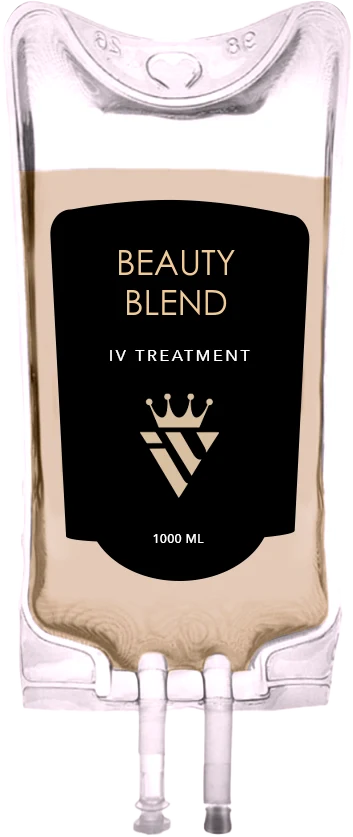
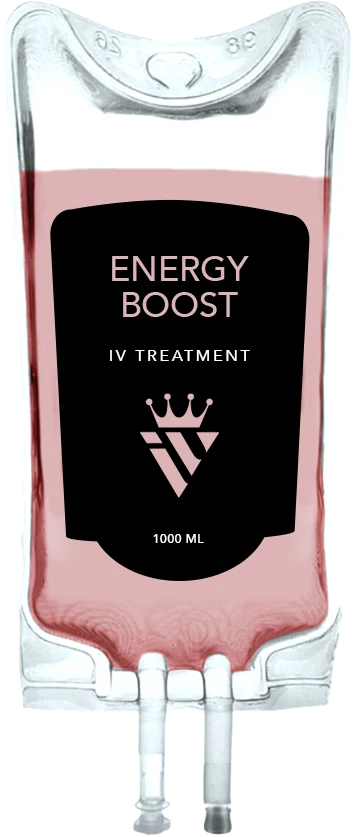
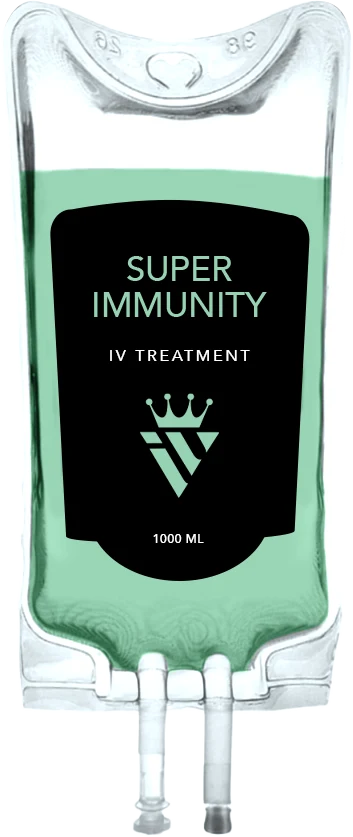
Doses vary widely across the IV world, from wellness drips to hospital protocols. Very high doses of vitamin C are given only under a doctor’s care. In our drips, vitamin C comes as part of a blend: it’s in our Super Immunity, Myers Cocktail, Boost Energy, Beauty Blend, Hangover Relief and All-Inclusive.
Key Safety & Interaction Notes
• If you’re on chemotherapy, talk with your oncologist first; some drugs interact with antioxidants. • High doses of vitamin C can falsely raise finger-stick glucose readings for a while afterward. • Always mention blood thinners, kidney issues or iron-overload disorders like hemochromatosis.
What to Expect After Your Infusion
Many people feel more hydrated afterward. In the hours that follow, you may notice:
• A mild lift in energy or mood. • Increased thirst and urination: vitamin C is cleared through your kidneys, so drink extra water to stay hydrated.
Afterward, light movement like a 20-minute walk can feel good. A protein-rich meal provides the amino-acid building blocks (like proline and lysine) your body uses with vitamin C to make collagen. It’s also wise to skip alcohol for the rest of the day; alcohol uses up glutathione, working against the antioxidants you just took in.
If you’re living with a chronic condition, talk with your doctor before starting IV therapy.
Remember: hydration, nutrient-dense food, quality sleep and stress management remain the cornerstones of recovery. A vitamin C IV can be one part of that.
Conclusion: Is Vitamin C IV Therapy the Right Squeeze for You?
Vitamin C IV therapy reaches blood levels that oral supplements can’t. Research into higher doses is ongoing; for most people, the draw is energy, immune support and skin. The key is to see it as complementary, a tool to use alongside, not in place of, standard medical care.
Safety matters most. The risks, while small for most people, are real for people with conditions like G6PD deficiency or kidney disease. That’s why a medical review and a licensed professional giving your drip are non-negotiable.
Cost-Benefit Snapshot
• Our drips with vitamin C: Myers Cocktail $299; Super Immunity $349; Boost Energy $349; Beauty Blend $349; Hangover Relief $349; All-Inclusive $429. • Every drip includes travel up to 30 miles and up to a 1L bag of fluids. New clients add a $25 medical evaluation. • Insurance doesn't cover IV therapy, but HSA and FSA cards are accepted. • Time: about 45 to 60 minutes once the IV starts, at your home, office or hotel.
For many people, skipping the drive and the waiting room is part of the value.
Crafting Your Personal Protocol
- Define your goal. Are you after an immune boost before a flight, help feeling less run-down, or athletic recovery? Your goal shapes which drip fits.
- Plan a rhythm. It's almost like asking how often you should go to the gym: for the best results, stay consistent. Some clients do it once a week, some once a month. It really depends on your individual needs and how long the drip lasts for you. For IV drips, no more than once a week.
- Layer nutrients. Our Myers’ mineral blend carries magnesium and zinc, and you can add a glutathione IV push ($50). Other add-ons: Extra vitamins, minerals and nutrients, $30 each. All drips are determined by a qualified medical provider.
- Check in with your doctor. Regular blood work, like ferritin and kidney function, helps keep your plan safe.
The Bottom Line
If you value convenience and professional care, mobile vitamin C IV therapy may fit into your wellness routine. Just remember that a drip is one layer, not a shortcut. Pair it with whole-food nutrition, regular movement, restorative sleep and stress management, and you’ve squeezed the most from what this nutrient has to offer.
Ready to try vitamin C by IV? Book your appointment online. Book same-day appointments online.
Ingredients and vitamins
Your nurse, at your door.
Book same-day appointments online. Call or text (864) 548-9244. Every day, holidays included, 8 AM to 9 PM local time.