
Ingredients and vitamins
Are All Vitamins Created Equal? How to Choose Quality Supplements
Elite Mobile IV

In a world where health-conscious shoppers are always looking for ways to feel their best, the supplement aisle can be overwhelming. Vitamins, once a simple part of our daily routines, now come in all kinds of forms, strengths and combinations. So the question is: are all vitamins created equal? In this guide, we look at the key things to consider when judging the quality of your supplements.
Are All Vitamins Created the Same?
The short answer is no. The market is flooded with vitamin supplements, each claiming to be the best, and the devil is in the details. Not all vitamins are made with the same manufacturing processes, and ingredient quality can vary a lot. So who makes the highest quality vitamins? There is no single answer: when you choose a vitamin supplement, look for products from reputable companies that are committed to quality control and transparency.
Avoid These Ingredients!
- Artificial Colors and Flavors: Imagine you’re eyeing a bottle of vitamin C, drawn in by the bright colors and fruity scent. Those can be signs of artificial colors and flavors. These additives serve no nutritional purpose, and some people react to them. Choose supplements that put purity ahead of looks.
- Example: Compare two vitamin C supplements, one with artificial colors and flavors and another with a simple, clean ingredient list. The second, though less eye-catching, may be the better choice.
- GMO Ingredients: Genetically modified organisms (GMOs) have been a source of debate, and some supplements contain GMO-derived ingredients. If avoiding them matters to you, choose products labeled non-GMO.
- Example: When choosing a multivitamin, check the label for a non-GMO certification. It tells you the ingredients weren’t genetically modified.
- Fillers and Binders: Some supplements bulk up their formulas with fillers and binders, substances that serve no nutritional purpose. They may make pills easier to manufacture, but some may affect how well the active ingredients are absorbed.
- Preservatives: When you look at supplements, it’s worth knowing about certain additives that are common in the industry but raise health questions or cause sensitivities for some people. Examples include titanium dioxide (a whitening agent the European Union no longer allows in food), sodium benzoate, propylparaben, sorbic acid and potassium sorbate, and BHA (butylated hydroxyanisole) and BHT (butylated hydroxytoluene). Many people prefer to avoid them.
- Allergens: Allergies are unique to each person, and avoiding allergens in supplements is crucial. Common allergens like gluten, soy, dairy and nuts may be present, so read labels carefully to make sure a product fits your needs.
- High Levels of Sugar: Some vitamin supplements sneak in added sugar to improve the taste. That can work against the benefits of the vitamins and add up over time.
- Example: Compare two vitamin B12 supplements, one with added sugar and one without. Choosing the sugar-free option keeps extra sugar out of your diet.
Bioavailability of Vitamins
Understanding the bioavailability of vitamins is key to getting their full benefits. Bioavailability means how well your body can absorb and use a nutrient. Better-quality vitamins may have better bioavailability, meaning your body absorbs and uses them more readily.
- Form of the Vitamin: Different forms of a vitamin can be absorbed differently. For example, vitamin D3 seems to raise blood levels more effectively than vitamin D2. When you choose a vitamin, look for the form your body uses best.
- Synergy with Other Nutrients: Vitamins often work together with other nutrients. For instance, vitamin C helps your body absorb non-heme iron from plant foods.
- Delivery System: How a vitamin is delivered can affect its absorption. Fat-soluble vitamins, such as vitamin K and vitamin E, are better absorbed when taken with a meal that contains healthy fats.
Bioavailability of IV Therapy
Intravenous (IV) therapy has become a popular way to deliver vitamins and minerals directly into the bloodstream, bypassing the digestive system. That means nothing depends on digestion, and the nutrients reach your bloodstream quickly.
- Direct Absorption: An IV delivers vitamins directly into the bloodstream, skipping the digestive system, where some nutrients are lost along the way.
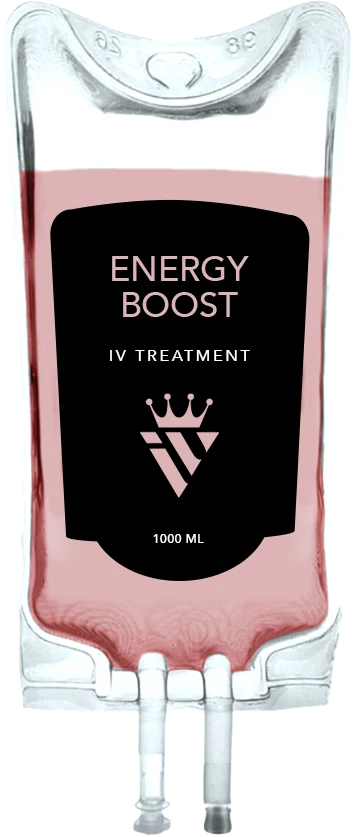
- Example: Athletes may choose an IV drip with B complex and electrolytes to help replenish what they lose. IV therapy may help athletes stay hydrated, have more energy, and recover faster from intense workouts. Our Boost Energy carries IV fluids, electrolytes, B complex, mineral blend, vitamin C, taurine, plus Zofran and Toradol if needed.
- Customized Formulations: IV drips come in different blends for different goals. Extra vitamins, minerals and nutrients can be added for $30 each. All drips are determined by a qualified medical provider.
- Quick Results: Because an IV skips digestion, some people feel results sooner than with oral supplements. That can be especially helpful for people with absorption issues.
- Example: Someone whose digestive system doesn’t absorb nutrients well may choose an IV drip, with their doctor’s guidance, because it doesn’t depend on the gut.
Quality matters with IV drips too. Premium ingredients only from FDA approved compounding pharmacies. Every drip’s ingredients are listed on our drip menu.
Conclusion
As a shopper, it pays to approach the vitamin aisle with a careful eye and the knowledge to make informed choices. By avoiding unwanted ingredients, understanding bioavailability, and looking into other delivery methods like IV therapy, you can choose supplements you feel good about. Investing in quality vitamins is an investment in your well-being and vitality.
Ingredients and vitamins
Your nurse, at your door.
Book same-day appointments online. Call or text (864) 548-9244. Every day, holidays included, 8 AM to 9 PM local time.