
Ingredients and vitamins
Zinc and Vitamin C This Winter
Elite Mobile IV

As winter approaches, supporting your immune system matters more. With shorter days and colder temperatures, our bodies face more challenges in fending off illness. Two nutrients that stand out for immune health are zinc and vitamin C. This article explores why immunity matters in winter, the roles of zinc and vitamin C, where to find them, and precautions to keep in mind.
Understanding the Role of Immunity in Winter
The Importance of a Strong Immune System
A strong immune system is essential for protecting our bodies from infections, particularly in winter, when cold and flu viruses are everywhere. The immune system is the body’s natural defense, finding and attacking germs that get in. When it’s working well, it helps you fend off illness and supports your overall health.
A strong immune system also helps you recover from illness more quickly, so you can keep up with daily life without major disruption. So focusing on immunity isn’t just about avoiding sickness; it’s about enjoying life more during the gray winter months.
How Cold Weather Affects Immunity
Cold weather affects our immune systems in several ways. For one, cold air may cause the blood vessels in our nasal passages to narrow, which may make it easier for viruses to take hold. The dry indoor air that comes with winter heating can also dry out mucous membranes, making them less effective as a barrier against germs.
Shorter days can also lower vitamin D levels, because we get less sun. Vitamin D plays an important role in immune function, and a deficiency may make the body more vulnerable to infections. That’s why it’s worth having a plan to support your immune system during these months.
The Power of Zinc in Immunity Boosting
The Biological Role of Zinc
Zinc is a trace mineral that’s involved in many of the body’s functions, especially the immune response. It’s essential for the development and activation of T-lymphocytes, a type of white blood cell that plays a big role in immune responses. When zinc levels are adequate, the body is better equipped to fight off germs.
Zinc also acts as an antioxidant and may help reduce inflammation, which is linked to many chronic diseases. That makes it important for immune health, especially in winter, when many people deal with more stress and more illness going around.
Zinc and Immune System Interactions
The link between zinc and the immune system is well documented. Studies have shown that zinc deficiency can weaken immune function, leading to more infections and slower healing. Getting enough zinc supports a healthy immune response.
Zinc also influences how immune cells work, helping them respond to challenges. Adding zinc-rich foods, or a supplement your doctor recommends, during winter may help you keep your immune system strong.
Vitamin C: A Key Player in Immune Health
The Science Behind Vitamin C and Immunity
Vitamin C is known for its antioxidant properties and plays an important role in immune health. It supports the work of white blood cells, which are essential for fighting infections. Vitamin C also helps protect against oxidative stress, which can weaken immune function and damage tissue.
Research suggests that taking vitamin C regularly may slightly shorten colds, though for most people it doesn’t lower the chance of catching one. It supports many cellular functions of both the innate and adaptive immune system.
Daily Vitamin C Requirements for Optimal Health
For adults, the recommended daily amount of vitamin C is 75 mg for women and 90 mg for men, with an upper limit of 2,000 mg a day. Smokers need 35 mg more a day. Some people take more during winter or stressful stretches; talk with your doctor before going above the recommended amount.
Fortunately, getting vitamin C from your diet is fairly easy, because it’s in many fruits and vegetables, including oranges, strawberries, kiwi, bell peppers and broccoli. Making these foods a priority can help you meet your daily needs and support your immune system.
Incorporating Zinc and Vitamin C into Your Diet
Food Sources Rich in Zinc and Vitamin C
Eating a balanced diet with foods high in zinc and vitamin C is one of the best ways to support immunity. Here are some food sources.
Foods rich in zinc:
- Oysters
- Red meat
- Poultry
- Beans
- Nuts and seeds
- Whole grains
Foods rich in vitamin C:
- Citrus fruits (oranges, lemons)
- Berries, especially strawberries
- Tomatoes
- Potatoes
- Leafy greens (spinach, kale)
- Bell peppers
Supplements vs. Natural Sources: What’s Best?
Whole foods give you many nutrients and health benefits alongside zinc and vitamin C, but supplements can be a convenient option, especially for people who struggle to meet their needs through food alone. Even so, it’s wise to get vitamins and minerals from food whenever you can.
Before starting any supplement, talk with a healthcare provider about what’s right for your health and any conditions you have. That helps you get the right amount without the side effects of taking too much.
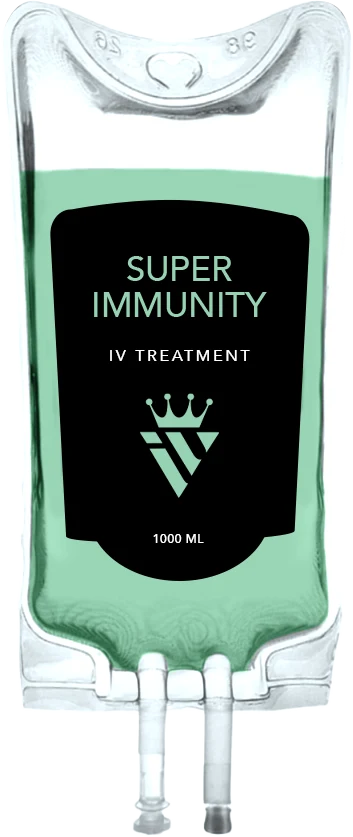
An IV drip is another option. Our Super Immunity carries IV fluids, electrolytes, B complex, mineral blend, vitamin C, taurine, plus Zofran and Toradol if needed, and our Myers Cocktail also includes zinc (in its mineral blend) and vitamin C. They may help support your immune system through the winter. All drips are determined by a qualified medical provider.
Potential Side Effects and Precautions
Understanding Overdose and Deficiency Symptoms
As helpful as zinc and vitamin C can be, too much can cause side effects. Too much zinc can cause nausea, diarrhea and stomach cramps. Taking high amounts for a long time may also weaken immune function.
Going over the upper limit for vitamin C can also upset your stomach and, in rare cases, contribute to kidney stones. On the flip side, a deficiency in either nutrient can weaken immunity, make infections more likely, and slow recovery.
Interactions with Other Nutrients and Medications
Zinc and vitamin C can interact with other nutrients and medications, so it’s important to know about possible interactions. For instance, high doses of zinc can interfere with the absorption of copper and other minerals.
People taking certain medications, such as diuretics or chemotherapy drugs, should talk with their healthcare provider before taking any supplement, to avoid harmful interactions. Keeping track of how much you get from both food and supplements helps keep your health in balance.
In conclusion, supporting your immunity this winter with zinc and vitamin C is very doable. By understanding their roles, adding them to your daily diet, and being mindful of possible side effects, you may help your immune health and your overall well-being through the cold months ahead.
Ingredients and vitamins
Your nurse, at your door.
Book same-day appointments online. Call or text (864) 548-9244. Every day, holidays included, 8 AM to 9 PM local time.