


Colds, flu and feeling sick
How to Strengthen Your Immune System During Flu Season
Elite Mobile IV

As flu season approaches, many people look for ways to support their immune systems. A well-functioning immune system is crucial for staying healthy during periods when viral infections are widespread. In this article, we will explore various aspects of immune health, from understanding the immune system to practical tips on nutrition, lifestyle, hygiene practices and the role of vaccination.
Understanding Your Immune System
The immune system is a complex network of cells, tissues and organs that work together to defend the body against harmful invaders, including viruses and bacteria. Understanding how this intricate system operates can help you make informed choices to strengthen your immunity.
The Role of the Immune System in Fighting Flu
When the flu virus enters your body, it triggers an immune response. White blood cells, particularly T cells and B cells, play a critical role in identifying and attacking the virus. T cells directly destroy infected cells, while B cells produce antibodies that help neutralize the virus. Working together, these components aim to clear the infection and help protect you from future exposure. This response takes time; it often takes several days for the immune system to mount a strong defense. During this period, symptoms like fever and fatigue may arise, a sign that your body is at work against the infection.
Key Components of the Immune System
The primary components of the immune system include:
- White Blood Cells: These are the body’s defenders, which include lymphocytes and phagocytes.
- Antibodies: Proteins that recognize and bind to foreign invaders to help clear them.
- The Lymphatic System: A network of vessels that transports white blood cells and helps filter harmful substances.
- The Spleen: An organ that helps filter blood and produce white blood cells.
- The Bone Marrow: The site where most immune cells are produced.
Understanding these components shows why it matters to keep your immune system healthy during flu season. Lifestyle choices can also influence immune function. Regular exercise, a balanced diet rich in vitamins and minerals, adequate sleep and stress management all help maintain a healthy immune response. For instance, vitamin C, found in citrus fruits, supports white blood cell function, while zinc plays a vital role in the development and function of immune cells. By building these into your daily routine, you can help your body stay ready for infections and maintain overall health.
Importance of Nutrition in Immune Health
A well-balanced diet rich in essential nutrients supports your immune function. Nutrition plays a pivotal role in supporting your body’s defenses, especially during flu season.
Essential Vitamins and Minerals for Immunity
Several vitamins and minerals are vital for maintaining a healthy immune system, including:
- Vitamin C: Supports white blood cell function and acts as an antioxidant.
- Vitamin D: Helps regulate the immune response.
- Zinc: Essential for immune cell function.
- Vitamin A: Maintains the health of mucosal barriers, which are the first line of defense against infections.
Including these nutrients in your diet can help prepare your body for the challenges of flu season.
Foods to Support Your Immune System
Including a variety of foods in your diet can help support your immune system. Consider adding the following:
- Citrus Fruits: Oranges, lemons and grapefruits are high in vitamin C.
- Leafy Greens: Spinach and kale provide essential vitamins and minerals.
- Garlic: Contains compounds studied for their effects on the immune system.
- Yogurt: Probiotics in yogurt support gut health, which is linked to immunity.
By choosing these foods, you can help give your body what it needs during flu season.
The Impact of Lifestyle on Immune Strength
Beyond nutrition, lifestyle choices greatly affect immune health. Stress, sleep and exercise all matter to your immune defenses.
The Role of Sleep in Immunity
Quality sleep is essential for a healthy immune response. During sleep, the body releases cytokines, proteins that target infection and inflammation. Lack of sleep can reduce the production of these protective molecules, making you more susceptible to illness.
Most adults should aim for 7 to 9 hours of quality sleep each night. A consistent sleep schedule and a calming bedtime routine can improve your sleep quality.
Exercise and Immune Health
Regular physical activity is also good for a healthy immune system. Exercise helps improve circulation, allowing immune cells to move through the body more efficiently.
Aim for at least 150 minutes of moderate-intensity exercise each week. Activities like walking, swimming or cycling can support your immune health.
Hygiene Practices to Stop the Spread of Flu
Good hygiene practices are vital for stopping the spread of the flu virus. Simple actions can help protect you and others from infection.
Hand Hygiene and its Importance
Washing your hands regularly with soap and water is one of the best ways to protect yourself from getting sick. Soap removes the virus from your skin, while the act of scrubbing helps dislodge germs.
It’s especially important to wash your hands:
- Before eating
- After using the restroom
- After coughing or sneezing
- When you come home from public places
Respiratory Hygiene to Lower Flu Risk
Practicing good respiratory hygiene can further reduce the chances of flu spreading. Cover your nose and mouth with a tissue or your elbow when sneezing or coughing, and throw tissues away. Wearing a mask in crowded places can also decrease your exposure to respiratory viruses.
Vaccination and Immune System
Vaccination is a key strategy for building your immune response against the flu. It prepares your body to respond to the virus.
How Flu Vaccines Work
Flu vaccines stimulate your immune system to produce antibodies, which can recognize and neutralize the flu virus. This means that when you do encounter the flu virus, your body is ready to respond quickly.
Importance of Flu Vaccination
Getting the flu vaccine is one of the most effective ways to protect yourself and those around you during flu season. The CDC calls a yearly flu vaccine the first and most important action to lower your risk of flu, and says flu vaccines help reduce flu illnesses, hospitalizations and deaths each year (CDC on the yearly flu vaccine).
It's advisable to get vaccinated every year, as the flu virus can change from year to year. Getting vaccinated also helps protect the people around you.
In conclusion, strengthening your immune system during flu season involves a multifaceted approach that includes understanding your immune system, prioritizing nutrition, maintaining a healthy lifestyle, practicing good hygiene and getting vaccinated. By following these strategies, you can support your defenses and enjoy a healthier winter season.
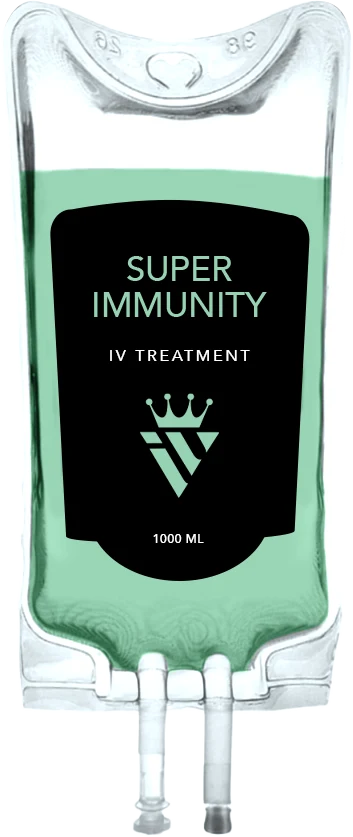
If a cold or the flu still has you run down, our Super Immunity drip brings fluids, vitamin C and zinc to you: a registered nurse comes to your home, office or hotel in Greenville SC, Asheville NC, Charlotte NC, Raleigh NC, Knoxville TN, Nashville TN, Atlanta GA and Houston TX. If you have the flu with trouble breathing, chest pain or confusion, call 911.
Colds, flu and feeling sick
Your nurse, at your door.
Book same-day appointments online. Call or text (864) 548-9244. Every day, holidays included, 8 AM to 9 PM local time.