
Ingredients and vitamins
Magnesium: Key to Muscle Recovery and Relaxation Explained
Elite Mobile IV

Magnesium is often overlooked in conversations about health and nutrition, yet it plays a crucial role in many of the body’s functions, particularly muscle recovery and relaxation. This article looks at why magnesium matters, how it affects your muscles, and how to get enough of it.
Understanding the Role of Magnesium in the Body
The Importance of Magnesium for Overall Health
Magnesium is an essential mineral that supports over 300 biochemical reactions in the body. It helps regulate muscle and nerve function, blood sugar and blood pressure. It’s also needed to make protein and build bone, which makes it important for overall health.
Without enough magnesium, people may experience health issues including fatigue, muscle cramps and abnormal heart rhythms. This mineral is foundational for energy and everyday activity. Magnesium may also matter for mental health: some studies suggest that adequate magnesium levels may help lower the risk of depression and anxiety. It’s involved in regulating neurotransmitters, the chemicals that carry signals in the brain, which highlights its role in mood and thinking.
How Magnesium Interacts with Other Nutrients
Magnesium works together with other nutrients. Calcium and magnesium, for example, have a back-and-forth relationship: calcium is essential for muscle contraction, while magnesium helps muscles relax. A balanced intake of both minerals supports healthy muscle function.
Vitamin D and magnesium also work as a pair: your body needs magnesium to activate vitamin D, and vitamin D may help your gut absorb magnesium. Dietary fiber can influence magnesium absorption too. Fiber-rich foods such as whole grains, nuts and leafy greens provide magnesium and support a healthy digestive system. This connection between nutrients is one more reason a well-rounded diet matters for overall health and well-being.
The Connection Between Magnesium and Muscle Function
Magnesium’s Impact on Muscle Recovery
After intense exercise, muscles develop tiny tears, and recovering from them takes proper nutrition. Magnesium may help repair muscle fibers by supporting protein synthesis. It may also help ease inflammation and soreness, so you can get back to training sooner.
Magnesium is also central to energy production, which matters during recovery. Low magnesium levels can leave you tired after exercise, a sign you may need to replenish it. Magnesium plays a big part in making ATP (adenosine triphosphate), the main energy carrier in your cells. When magnesium levels are sufficient, your body can produce and use energy efficiently, which matters for both performance and recovery.
Magnesium-rich foods, such as leafy greens, nuts and whole grains, are easy to work into a balanced diet, which makes it simpler for athletes and fitness fans to meet their needs. A magnesium supplement may also help, particularly for people in hard training or with diets that limit magnesium.
The Role of Magnesium in Muscle Relaxation
Muscle relaxation is just as important as contraction. Magnesium acts as a natural relaxant that may help ease muscle tension. By helping regulate the neurotransmitters that send signals through the nervous system, magnesium may help ease muscle spasms and cramps and support a sense of calm.
Adequate magnesium levels may also help improve sleep quality, which supports muscle relaxation and recovery after hard exercise. A full night’s rest lets the body heal and regenerate. Sleep is when the body does much of its repair work, including muscle recovery, so better sleep may lead to better performance.
Magnesium’s calming effects go beyond the muscles; they may also support mental well-being. Stress can lead to muscle tension and discomfort, a cycle that gets in the way of recovery. By supporting a relaxed state, magnesium may help soften stress responses, helping athletes stay focused and composed in training and competition. This whole-body view of muscle function shows how physical and mental health connect, and why magnesium is often called a key player in athletic performance and recovery.
Magnesium Deficiency and Its Effects on Muscles
Symptoms of Magnesium Deficiency
Magnesium deficiency can show up in several ways, often starting with mild symptoms. Common signs include muscle cramps, twitches and general muscle weakness. As a deficiency gets worse, people may feel more fatigue, irritability and anxiety.
A long-lasting deficiency can lead to more serious health issues, so it’s worth addressing early, with your doctor’s help, to avoid further complications.
Long-Term Consequences of Low Magnesium Levels
Over time, low magnesium levels have been linked to chronic conditions including heart disease, osteoporosis and type 2 diabetes. For your muscles, chronically low levels can hold back athletic performance and slow recovery.
Recognizing the signs of a magnesium deficiency and taking steps to correct it matters for both your muscles and your overall health.
Boosting Magnesium Intake for Better Muscle Health
Dietary Sources of Magnesium
Eating more magnesium-rich food is an effective way to get enough. Good sources include:
- Leafy green vegetables such as spinach and Swiss chard
- Legumes like black beans and lentils
- Nuts and seeds, particularly almonds and pumpkin seeds
- Whole grains such as brown rice and quinoa
- Some fish, like salmon and mackerel, in smaller amounts
Working these foods into your daily diet can help raise magnesium levels naturally, supporting muscle recovery and relaxation.
Magnesium Supplements: Pros and Cons
For people who struggle to get enough magnesium from food alone, supplements may be an option. Magnesium supplements come in several forms, including magnesium citrate, glycinate and oxide, and they’re absorbed differently.
While supplements can help raise magnesium levels, talk with a healthcare provider before starting any new supplement. Too much magnesium from supplements can cause side effects, including diarrhea and stomach cramps.
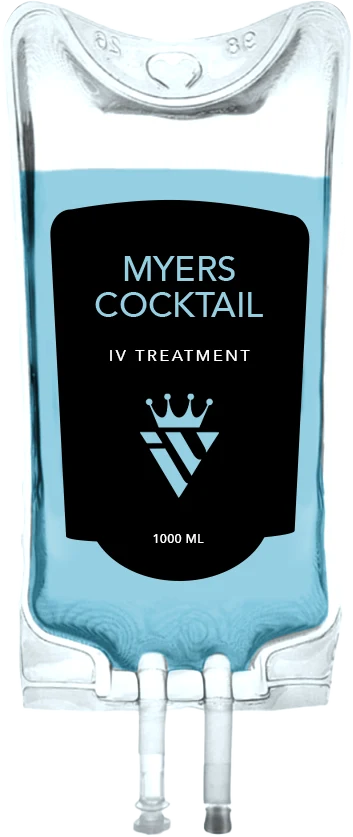
IV is another way to get magnesium. Our Myers Cocktail carries IV fluids, B complex, mineral blend (magnesium, zinc, manganese, copper), vitamin C, and it may help with hydration and recovery. All drips are determined by a qualified medical provider.
Debunking Myths About Magnesium and Muscle Health
Common Misconceptions About Magnesium
Plenty of myths surround magnesium and its role in health. One common belief is that only athletes need extra magnesium. In reality, everyone needs enough magnesium for basic muscle function. Many people also assume that all forms of magnesium work the same, which isn’t the case; some forms are absorbed better than others.
The Science Behind Magnesium and Muscle Function
Research shows that magnesium plays an important role in muscle function. Some studies have linked magnesium levels with athletic performance, muscle recovery and overall physical well-being, and getting enough magnesium may support strength and endurance, especially in people who are low.
In short, understanding magnesium may make a real difference to muscle recovery and relaxation. Getting enough through food, or supplements with your doctor’s advice, may help you feel and perform your best.
Ingredients and vitamins
Your nurse, at your door.
Book same-day appointments online. Call or text (864) 548-9244. Every day, holidays included, 8 AM to 9 PM local time.