
Skin, beauty and sleep
The Importance of Sleep and How It Affects Your Beauty
Elite Mobile IV

Sleep is one of the most vital parts of our daily lives, shaping not only our physical health but also our mental well-being and how we look. In our fast-paced world, many people underestimate the importance of a good night's sleep, often putting work and social plans ahead of rest. In this article, we look at the relationship between sleep, overall health and beauty, and how quality sleep can show up in your appearance and your long-term health.
Understanding the Role of Sleep in Overall Health
To appreciate the importance of sleep, it helps to understand the many roles it plays in your overall health. Sleep is a restorative time for your body, a time for recovery and repair.
The Science Behind Sleep and Health
During sleep, your body goes through many biological processes. Hormones such as growth hormone, which plays a role in growth and cell repair, are released. Sleep also helps regulate metabolism and the immune system. Research has linked a consistent sleep schedule with better mood and clearer thinking. The brain also consolidates memories during sleep, turning short-term memories into long-term ones, which matters for learning and holding on to information. That is why quality sleep matters for students and professionals alike: it affects how well they perform.
Sleep Deprivation and Its Consequences
On the other hand, a lack of sleep can take a real toll on your health. Chronic short sleep is linked to a range of health problems, including obesity, diabetes, heart disease and a weaker immune response. Day to day, it can bring fatigue, poor focus and irritability, which affect both personal and professional life.
Poor sleep also affects mental health, and it is linked with anxiety and depression. A well-rested person is better equipped to handle everyday stress than someone who is sleep-deprived. Studies also show that sleep problems can make existing mental health conditions worse, which can become a cycle that is hard to break. The quality of sleep matters as much as the quantity: broken sleep can keep your body from reaching the deeper stages of sleep, which matter for emotional and mental resilience.
Sleep also plays a part in your appetite and cravings. A lack of sleep upsets the balance of the hormones that control hunger, which can mean a bigger appetite and cravings for high-calorie foods. Over time that can contribute to weight gain. So making sleep a priority is not just about comfort; it is a basic part of a healthy lifestyle and your long-term health.
The Connection Between Sleep and Beauty
The link between sleep and beauty is more than just a saying; research backs up parts of it. Beauty isn't only about looks, either; it is also about your overall health and how you feel about yourself.
How Quality Sleep Contributes to Skin Health
Quality sleep matters for your skin. Sleep is when your body does much of its repair work, and that includes your skin.
A lack of sleep, on the other hand, can show up as dull skin and dark circles under the eyes, and it may make skin conditions such as acne and eczema flare. Good rest is part of that sought-after healthy glow.
Sleep and Its Impact on Aging
Some studies suggest that sleep plays a part in how your skin ages. Poor sleep has been linked with more visible fine lines, uneven skin tone and skin that recovers more slowly. Stress hormones, which can rise when you don't get enough rest, may also play a part.
To look after your skin, make sleep part of your beauty routine. Many beauty experts recommend pairing daily skincare with a consistent sleep routine.
Tips for Achieving Better Sleep
Given how much it matters, it's worth looking for ways to sleep better. Below are some tried-and-true tips.
Creating a Sleep-Friendly Environment
- Keep your bedroom dark, quiet and cool.
- Invest in a comfortable mattress and pillows that support your body.
- Limit screen time before bed, as the light from screens can interfere with melatonin, the hormone that helps you fall asleep.
- Build a calming bedtime routine, such as reading or relaxation exercises.
The Role of Diet and Exercise in Sleep Quality
What you eat and how you move play a big part in how well you sleep. Regular exercise can help you fall asleep faster and sleep more deeply. Avoid hard workouts close to bedtime, though, as they can leave you wired.
Your diet matters too. Foods rich in magnesium, such as leafy greens and nuts, may support better sleep. Try to limit caffeine and sugar, especially in the hours before bed.
Where IV Therapy Fits
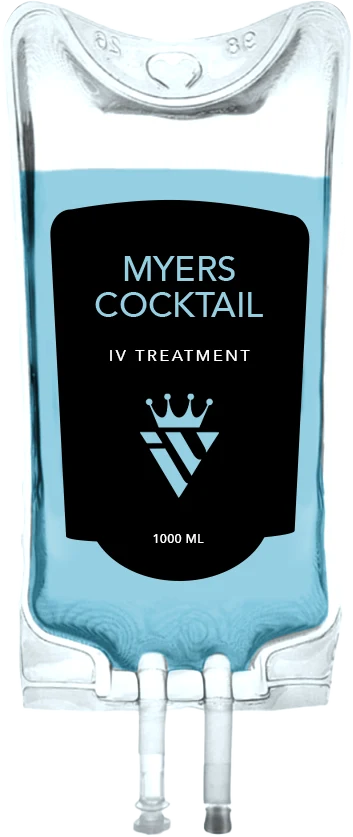
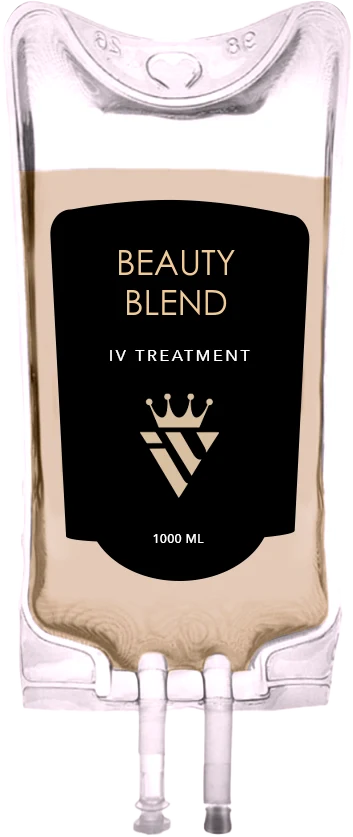
A drip is no substitute for sleep. But when a run of short nights leaves you drained and dehydrated, some people add one. Our Myers Cocktail ($299) has IV fluids, B complex, mineral blend (magnesium, zinc, manganese, copper), vitamin C, and our Beauty Blend ($349) has IV fluids, electrolytes, B complex, mineral blend, vitamin C, taurine, plus Zofran and Toradol if needed. A registered nurse comes to your home, office or hotel. All drips are determined by a qualified medical provider.
The Impact of Sleep Disorders on Beauty
Sleep disorders can take a toll on how you look and feel. Conditions such as insomnia, sleep apnea and restless legs syndrome can badly disrupt your sleep.
Common Sleep Disorders and Their Symptoms
- Insomnia: trouble falling or staying asleep, leading to daytime tiredness.
- Sleep apnea: breathing that stops and starts during sleep, causing frequent waking. Loud snoring with pauses in breathing is a common sign.
- Restless legs syndrome: an urge to move the legs that is hard to resist, especially when resting.
These disorders affect your health, and the poor sleep they cause can show up in your skin too, which is one more reason to get them looked at.
Treatment Options for Sleep Disorders
If you think you have a sleep disorder, see a doctor. Options may include lifestyle changes, therapy or medicine. Cognitive Behavioral Therapy for Insomnia (CBT-I) has shown good results for many people.
The Future of Sleep and Beauty Research
As the link between sleep and health gets more attention, researchers are looking for new ways to improve sleep and understand its effect on beauty and wellness.
Emerging Trends in Sleep Science
New sleep technology, such as devices that track your sleep patterns, can help you see how you're resting. And a better understanding of how sleep affects our body clocks may lead to personal sleep plans that help people sleep better.
Innovations in Beauty Sleep Products
As the beauty industry takes sleep more seriously, new products are appearing, such as sleep masks with soothing ingredients and skincare made to be worn overnight.
In conclusion, sleep is a foundation of health and beauty. By understanding how sleep connects to the rest of your health, you can take simple steps to improve not just how you look but how you feel.
Skin, beauty and sleep
Your nurse, at your door.
Book same-day appointments online. Call or text (864) 548-9244. Every day, holidays included, 8 AM to 9 PM local time.