
Skin, beauty and sleep
Unlocking the Secrets of Healthy, Glowing Skin: Expert Tips and Tricks
Elite Mobile IV

Healthy, glowing skin is a goal many people share, yet it often seems hard to reach. With so many products and treatments out there, it can be overwhelming to find the right approach. In this article, we look at the science behind skin health, a basic skincare routine, the ingredients worth knowing, and the lifestyle changes that can help your skin look its best.
The Science Behind Skin Health
Understanding Your Skin Type
The first step toward healthy skin is understanding your skin type. Skin types usually fall into four groups: normal, oily, dry and combination. Each has its own needs. For example, oily skin may do better with lighter formulas, while dry skin benefits from richer moisturizers.
A simple test can help you find your skin type. After cleansing, wait a few hours and notice how your skin feels. Is it tight, greasy or balanced? Knowing this will guide your product choices and routine. Climate, hormonal changes and age can also change your skin over time, so it's worth checking again now and then. In winter, for instance, your skin may lean drier, while summer can bring out more oil. Keeping a skincare journal can help you track these changes and adjust your routine.
The Role of Hydration in Skin Health
Hydration plays an important role in how your skin looks and feels. Dehydrated skin can look dull and flaky and make fine lines more noticeable. Drinking enough water matters, and hydrating skincare products, such as serums and moisturizers, help too.
A common rule of thumb is about eight glasses of water a day, more in hot weather or when you're active, along with hydrating ingredients like hyaluronic acid in your skincare. You can also add a hydrating mask or overnight product once or twice a week, which can give your skin extra moisture during stressful stretches or changes in the weather. Remember, the skin is the body's largest organ, and it does best when it's looked after from the inside and the outside.
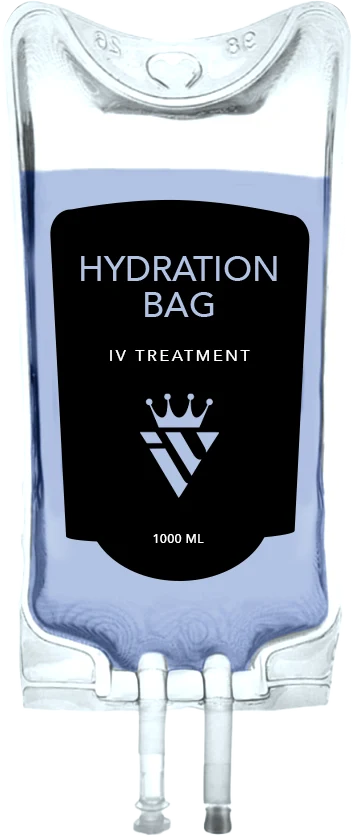
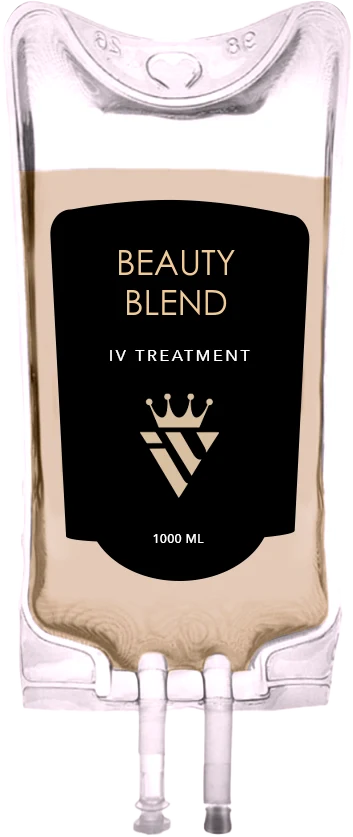
From the inside, some people add an IV drip. Our Hydration Bag ($249) has IV fluids and electrolytes (normal saline or lactated Ringer's), and our Beauty Blend ($349) has IV fluids, electrolytes, B complex, mineral blend, vitamin C, taurine, plus Zofran and Toradol if needed. Vitamin C, B vitamins and minerals for your skin, hair and nails. All drips are determined by a qualified medical provider.
The Impact of Diet on Skin Glow
Your diet affects how your skin looks. Foods rich in antioxidants, vitamins and healthy fats support healthy skin. A mix of colorful fruits and vegetables, nuts and omega-3 fatty acids gives your skin the nutrients it needs.
- Fruits and vegetables: berries, oranges and leafy greens.
- Healthy fats: avocados, walnuts and olive oil.
- Hydrating foods: cucumbers and melons.
Good food choices support your skin's natural glow and your overall health. Cutting back on processed foods and sugar may help too; high-sugar diets have been linked with breakouts in some studies. Fermented foods like yogurt and kimchi support a healthy gut, and some early research links gut health with skin health. Remember, healthy skin isn't only about what you put on it; it starts with what you put on your plate. A balanced diet feeds your skin and helps you feel as good as you look.
Essential Skincare Routine for Glowing Skin
Importance of Cleansing and Exfoliating
A good skincare routine starts with cleansing. This removes dirt, oil and makeup from your skin and helps keep pores clear. Use a cleanser that suits your skin type, one that cleans without over-drying or irritating your skin.
Regular exfoliating helps too. It clears away dead skin cells and can leave your complexion looking fresher. Depending on how sensitive your skin is, exfoliating 1 to 3 times a week can help your skin look smoother and brighter.
The Right Way to Moisturize
Moisturizing is often underrated but matters for healthy skin. A good moisturizer acts as a barrier that locks in hydration. Look for ingredients such as glycerin, shea butter or ceramides.
How you apply it matters as well. Put your moisturizer on while your skin is still slightly damp to help lock in moisture for longer.
Sun Protection: A Non-Negotiable Step
Sun protection is one of the most important steps in any skincare routine. UV rays can cause early signs of aging and sunburn, and they raise the risk of skin cancer. That's why a broad-spectrum sunscreen with an SPF of at least 30, every day, is essential.
Reapply every two hours, especially if you are outdoors. Even on cloudy days, UV rays get through the clouds and reach your skin.
Expert-Recommended Skincare Products
Choosing the Right Products for Your Skin Type
Choosing skincare products can feel daunting with so many options. The key is to pick products made for your skin type. For example, sensitive skin may do better with fragrance-free formulas, while oily skin may prefer gel-based products.
Don't hesitate to ask a dermatologist which products suit your needs, and see one for a skin condition that won't settle.
Ingredients to Look for in Skincare Products
When it comes to skincare, not all ingredients are created equal. Look for products containing:
- Vitamin C: an antioxidant that may help brighten skin and soften signs of aging.
- Retinol: well studied for softening fine lines and wrinkles.
- Niacinamide: may help with redness and skin texture.
Knowing the key ingredients helps you choose products that suit your skin.
Lifestyle Changes for Healthier Skin
The Connection Between Sleep and Skin Health
Sleep often gets left out of skincare talk, yet it plays a vital role in skin health. During deep sleep, your body does much of its repair work. A lack of sleep can lead to dull skin, dark circles and more stress.
Aim for 7 to 9 hours of quality sleep each night to give your skin time to recover.
Exercise and Skin Glow: What's the Link?
Regular exercise benefits your overall health and can help your skin look better. Physical activity increases blood flow, bringing oxygen and nutrients to your skin cells. It can give you a natural glow and help ease stress, which can take a toll on your skin.
Exercise such as jogging, yoga or even brisk walking is good for your skin.
Stress Management for Better Skin
Stress shows up in your skin, often as breakouts and irritation. Managing stress with mindfulness, meditation or deep breathing can help your skin.
Activities you enjoy, whether it's reading, spending time in nature or a hobby, can lower your stress levels, and your skin may show it.
By understanding your skin, following a simple routine, choosing the right products and making a few lifestyle changes, you give your skin its best chance to look healthy and glowing. Remember, consistency is key, and small changes add up over time.
Skin, beauty and sleep
Your nurse, at your door.
Book same-day appointments online. Call or text (864) 548-9244. Every day, holidays included, 8 AM to 9 PM local time.