
Ingredients and vitamins
Vitamins and Hydration: Essential Strategies for Optimal Health
Elite Mobile IV
Vitamins and hydration are two of the most important parts of staying healthy. Here we look at the essential vitamins, what hydration does for you, and how to make the most of both.
Understanding the Importance of Vitamins
Vitamins are organic compounds your body needs in small amounts for many of its functions. We need them in our diets because the body can’t make most of them, or can’t make enough. Vitamins play a part in everything from metabolism to a healthy immune response.
The Essential Vitamins for Human Health
There are 13 essential vitamins, in two groups: water-soluble and fat-soluble. Water-soluble vitamins, such as vitamin C and the B vitamins (like B1, B2, B3, B6, B12, folate and biotin), need to be eaten regularly because the body stores little of most of them. B12 is the exception: your liver stores it.
Fat-soluble vitamins, including vitamins A, D, E and K, can be stored in the body’s fatty tissues. Each vitamin supports its own set of functions: for example, vitamin A is crucial for vision, while vitamin D plays a big role in bone health.
How Vitamins Support Bodily Functions
Vitamins have many jobs, such as acting as antioxidants, helping repair cells and supporting immune function. Vitamin C, for instance, is well known for its role in immunity, while the B vitamins help turn carbohydrates, fats and proteins into energy.
Vitamins also help with other essential processes, such as blood clotting, hormone regulation and nerve function. For a healthy body, a balanced intake of these vitamins is crucial.
Risks Associated with Vitamin Deficiency
A deficiency in essential vitamins can lead to serious health issues. For instance, a lack of vitamin D may contribute to osteoporosis, while too little vitamin B12 can lead to anemia and nerve problems.
Symptoms of a vitamin deficiency vary widely and can include fatigue, weakened immunity and skin problems. Long-lasting deficiencies can lead to long-term complications that affect your overall health and quality of life.
The Power of Hydration
Water is often called the elixir of life. Every cell in the body needs it, and it plays a major role in many processes, including digestion and the absorption and transport of nutrients.
The Role of Water in the Human Body
Water makes up about 60% of the adult human body, and its importance can’t be overstated. It acts as a solvent, carries nutrients, and is the medium for many chemical reactions.
Water also helps regulate body temperature through sweating and breathing, cushions your joints, and matters for healthy skin. Every system in the body relies on water to work properly.
Dehydration: Signs and Consequences
Dehydration happens when the body loses more fluid than it takes in. Common signs include thirst, dry mouth, fatigue and dark urine. Severe dehydration can lead to dizziness, confusion and more serious health issues, so it’s important to recognize the signs early.
Not drinking enough over long periods has also been linked to kidney problems, urinary tract infections and kidney stones. Staying well hydrated helps lower your risk.
Hydration and Its Impact on Physical Performance
If you’re physically active, proper hydration is especially important. During exercise, the body loses water and electrolytes through sweat, so replacing them in time matters for performance.
Dehydration can reduce strength and endurance, leading to fatigue and a higher risk of injury. Staying hydrated helps you perform and recover after exercise.
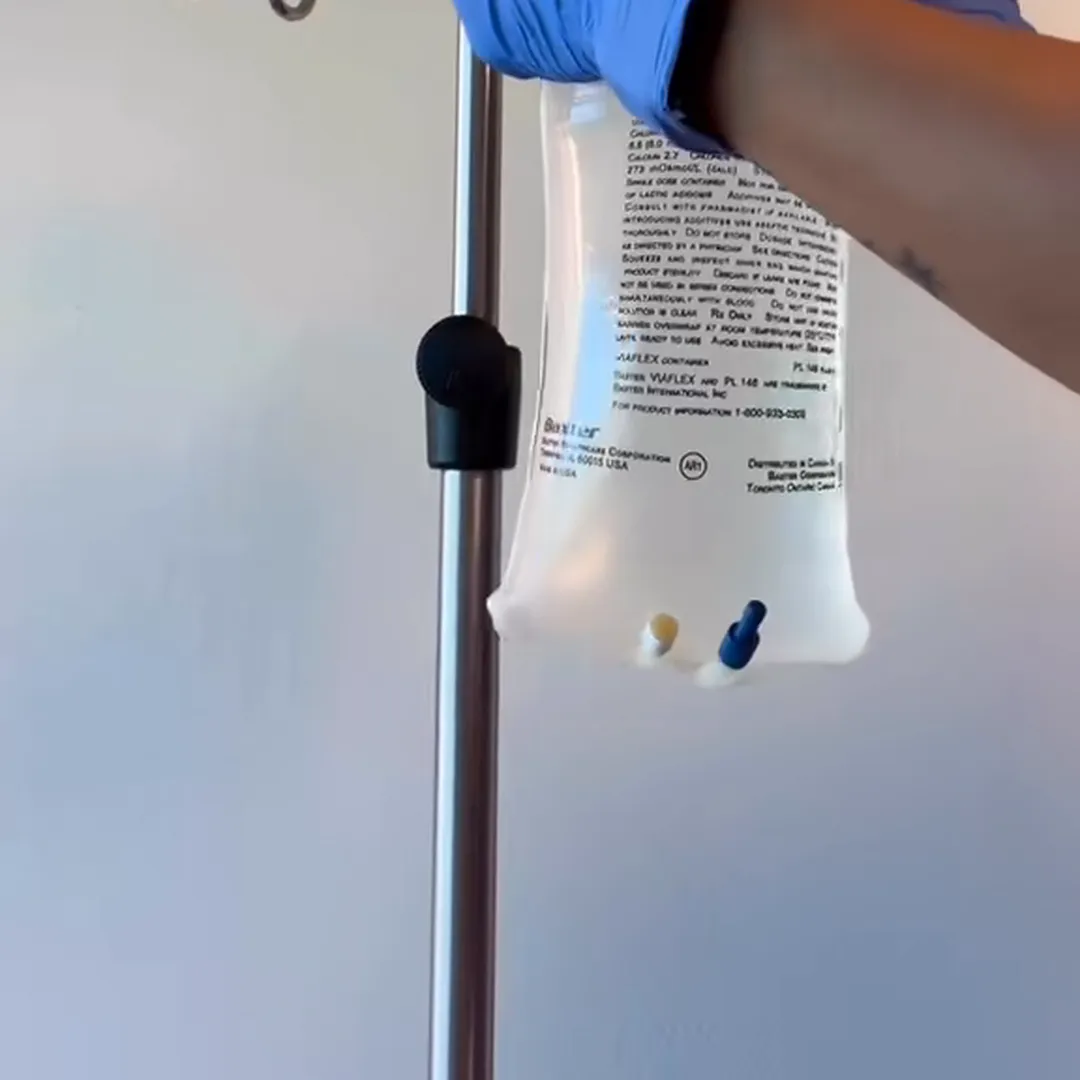
When you’re really run-down or dehydrated, an IV drip is one more option. Our Hydration Bag is IV fluids and electrolytes (normal saline or lactated Ringer's). The base of every drip: up to a 1L bag of IV fluids.
Combining Vitamins and Hydration for Health Optimization
Vitamins and hydration work hand in hand to support your health, and each helps the body make the most of the other.
Balancing Vitamin Intake and Hydration
To keep a healthy balance, aim for a varied diet rich in fruits, vegetables, whole grains and lean proteins, and drink enough water throughout the day. Every meal can count toward both your vitamin and your hydration needs.
For instance, fruits and vegetables are not only rich in vitamins but also high in water, which makes them great for both.
The Synergy Between Vitamins and Water
Vitamins and hydration affect how well your body works. Water helps carry water-soluble vitamins through the body, while fat-soluble vitamins are absorbed along with the fat in your meals.
Staying hydrated also supports the metabolic processes that let vitamins do their jobs. Falling short on either can leave you feeling less than your best.
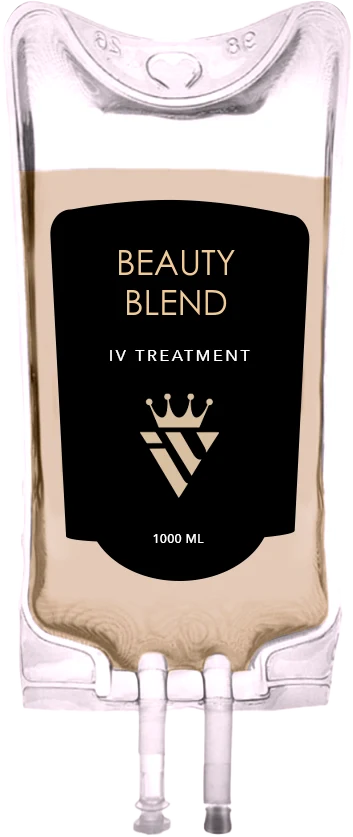
Some IV drips combine the two. Our Myers Cocktail carries IV fluids, B complex, mineral blend (magnesium, zinc, manganese, copper), vitamin C, and our Beauty Blend carries IV fluids, electrolytes, B complex, mineral blend, vitamin C, taurine, plus Zofran and Toradol if needed. All drips are determined by a qualified medical provider.
Strategies for Maintaining Optimal Vitamin Levels and Hydration
- Eat a rainbow of fruits and vegetables to get a wide range of vitamins.
- Drink water steadily through the day, especially when you’re active or it’s hot.
- Consider electrolyte drinks for long stretches of physical activity.
- Go easy on caffeine and alcohol; alcohol in particular can dehydrate you.
- Talk with a healthcare professional for personal advice on vitamin supplements and how much to drink.
Common Misconceptions about Vitamins and Hydration
Despite their known benefits, plenty of misunderstandings persist about vitamins and hydration. Clearing them up can lead to better health choices.
Debunking Myths about Vitamin Supplements
One common misconception is that vitamin supplements can replace a healthy diet. Supplements can help in some cases, but they can’t copy the full range of nutrients and benefits in whole foods. Whole foods provide not only vitamins but also minerals, fiber and plant compounds that matter for health.
Taking too much of some vitamin supplements can also be harmful. It’s wise to approach supplements with caution, ideally with your doctor’s advice.
The Truth about Drinking Eight Glasses of Water a Day
Another widespread myth is that everyone needs to drink a specific amount of water every day, often said to be eight glasses. In truth, how much you need varies with things like your age, activity level and climate.
Listening to your body and drinking when you’re thirsty is often the best approach. Foods that contain water also count toward your hydration. As a general guideline, around two liters, or about half a gallon, a day can be a helpful target for many people.
Once you understand how much vitamins and hydration matter, making room for both in your daily routine becomes a key part of feeling your best.
Ingredients and vitamins
Your nurse, at your door.
Book same-day appointments online. Call or text (864) 548-9244. Every day, holidays included, 8 AM to 9 PM local time.