

Ingredients and vitamins
What Does Zinc Do in Your Body? The Benefits of Zinc.
Elite Mobile IV

The Zinc Marvel: Unveiling its Multifaceted Health Benefits
Among the essential minerals, zinc stands out as a powerhouse that plays a crucial role in good health. This unassuming element is involved in a huge number of the body’s processes, influencing everything from immune support and inflammation to DNA synthesis, hormone balance and even brain function. In this guide, we explore what zinc does, its many benefits, and how it works in the human body.
Understanding the Basics: How Zinc Works in the Body
Before getting to its specific benefits, let’s look at zinc’s basic role. Zinc is an essential trace element, which means the body needs it in small amounts to work normally. This versatile mineral is needed for the activity of more than 100 enzymes, which drive many of the body’s chemical processes. Zinc matters for the structure and function of proteins, cell division, and the upkeep of the body’s genetic material.
Zinc is found in cells throughout the body, with most of it in the muscles and bones and high concentrations in places like the brain, kidneys, liver and prostate. It works alongside enzymes involved in crucial functions, helping drive the reactions behind cell growth, repair and maintenance.
Immune Support: The Guardian of Health
One of zinc’s best-known roles is its part in immune function. Zinc is essential to the development and work of immune cells, including neutrophils and other white blood cells. These cells are the body’s front line of defense against infections. Zinc helps regulate the immune response by influencing how immune cells are made and how they work, helping the body fend off germs.
Research has shown that zinc deficiency can weaken immune function, making people more vulnerable to infections. Getting zinc regularly through diet or supplements has been associated with a lower risk of respiratory infections and a shorter common cold.
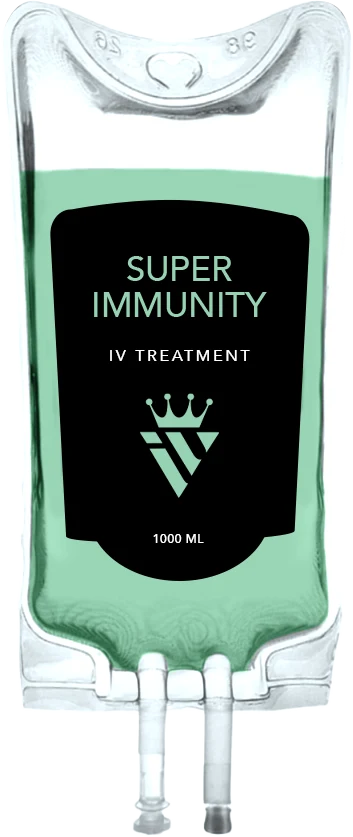
Zinc is one of the most overlooked minerals when it comes to immune health… yet it plays a critical role in how your body defends itself against viruses. Zinc is in our Super Immunity, which carries IV fluids, electrolytes, B complex, mineral blend, vitamin C, taurine, plus Zofran and Toradol if needed, and in the mineral blend of our Myers Cocktail. All drips are determined by a qualified medical provider.
Inflammation Control: Balancing the Body’s Response
Inflammation is a natural and necessary way for the body to respond to injuries or infections. But when inflammation becomes chronic, it can contribute to many diseases, including heart disease, diabetes and autoimmune conditions. Zinc plays an important role in regulating inflammation by influencing the activity of inflammatory proteins and enzymes.
The mineral’s anti-inflammatory properties help keep the immune response in balance and inflammation in check. That may matter most in chronic conditions where inflammation plays a part.
DNA Synthesis: Building Blocks of Life
Zinc’s part in DNA synthesis is fundamental to the body’s ability to grow, develop and repair itself. The mineral works with the enzymes that copy and repair DNA. That’s crucial for cell division, helping genetic information pass accurately from one generation of cells to the next.
Zinc deficiency can disrupt DNA synthesis, affecting how cells multiply and develop. That may have broader effects on growth and development, and may raise the risk of genetic damage.
Hormone Balance: Orchestrating the Endocrine Symphony
Zinc is closely involved in the body’s hormone balance. It plays a crucial role in how hormones are made, stored and released. One notable example is insulin, a hormone essential for regulating blood sugar. Zinc deficiency has been linked to poorer insulin function, which may contribute to the development of diabetes.
Besides insulin, zinc is involved in making sex hormones, such as testosterone and estrogen. These hormones play a central role in reproductive health, and adequate zinc levels are important for making them and for their proper function.
Brain Function: Nourishing the Mind
Zinc is found in high concentrations in the brain, which shows how much it matters for thinking. The mineral is involved in neurotransmission, the way nerve cells communicate with each other. It helps regulate several neurotransmitters, including glutamate and GABA, influencing the signals between nerve cells.
Zinc’s role in brain function extends to memory and learning. Research suggests that zinc deficiency may impair thinking, and adequate levels of the mineral matter for brain health throughout life.
Unlocking the Full Potential of Zinc
In conclusion, zinc is a quiet hero of health and well-being. Its many benefits, from immune support and inflammation control to DNA synthesis, hormone balance and brain function, show how much your overall health depends on it. Understanding how zinc works in the body is the first step to getting enough through food and, when needed, supplements. As science keeps learning more about the human body, zinc remains a key player in keeping us healthy.
Foods Rich in Zinc
- Lamb
- Beef
- Oysters
- Pumpkin Seeds
- Chickpeas
- Beans
- Lentils
- Spinach
- Dark Chocolate
Considerations:
- Your body absorbs zinc from plant foods less well than zinc from animal foods. Eating a variety of zinc-rich foods can help make up for this.
- How you prepare foods can affect how much zinc you absorb. For example, soaking and sprouting legumes, seeds and grains can help your body absorb more zinc.
- If you have specific dietary restrictions or concerns about your zinc intake, talk with a healthcare professional or a registered dietitian.
By working these varied, nutrient-rich foods into your daily meals, you can enjoy a delicious, varied diet and give your body the zinc it needs.
Ingredients and vitamins
Your nurse, at your door.
Book same-day appointments online. Call or text (864) 548-9244. Every day, holidays included, 8 AM to 9 PM local time.