IV Therapy vs. Drinking Water: What’s the Real Difference?
When you’re feeling drained, dehydrated, or simply off your game, you’ve probably wondered whether grabbing a water bottle is enough—or if an iv drip might get you back on track faster. The rise of wellness clinics and mobile hydration services has put iv therapy in the spotlight, but how does it actually compare to simply drinking water? Let’s break down the science, the practical applications, and what you really need to know.
Key Takeaways
- IV therapy hydrates up to 2.5 times faster than drinking water because fluids enter directly into the bloodstream, bypassing the digestive system entirely
- Drinking water remains essential for everyday hydration and long-term health—iv therapy complements but never replaces your daily water intake
- A standard 1,000 mL iv bag equals roughly 4 cups of water in volume, but achieves nearly 100% absorption compared to the gradual absorption from oral intake
- IV hydration is best reserved for specific situations like severe dehydration, illness with vomiting, heat exhaustion, or intense physical activity
- IV therapy must always be overseen by trained medical professionals due to risks including infection, vein irritation, and fluid overload
Why Hydration Matters in the First Place
Your body is approximately 50-60% water, and even a modest 1-2% fluid loss—common during a hot day or intense workout—can trigger headaches, fatigue, and impaired concentration. Before diving into the iv therapy vs drinking water debate, it’s worth understanding why proper hydration deserves your attention.
Water plays several critical roles in your body:
- Regulating body temperature through sweating and circulation
- Transporting essential nutrients and oxygen to cells throughout your system
- Lubricating joints and cushioning vital organs
- Supporting healthy digestion and regular bowel movements
- Maintaining stable blood pressure and cardiovascular function
Studies suggest that around 70-75% of American adults don’t drink enough water, experiencing chronic mild dehydration that can worsen issues like constipation, increase kidney stone risk, and drain energy levels over time.
This brings us to the central question: when you’re feeling drained, is reaching for a water bottle sufficient, or does iv therapy genuinely offer something better and faster?
IV Therapy vs Drinking Water: The Core Differences
Understanding the fundamental differences between these two hydration methods helps clarify when each approach makes sense.
| Factor | Drinking Water | IV Therapy |
|---|---|---|
| Delivery Route | Through digestive system (stomach, intestines, kidneys) | Directly into the bloodstream via vein |
| Absorption Rate | Gradual, 1-3 hours for full effect | Nearly immediate, within minutes |
| Absorption Efficiency | Variable, affected by digestion | Approximately 100% |
| Composition | H₂O with trace minerals | Electrolytes, can include vitamins and medications |
| Administration | Self-administered, anywhere | Requires trained clinicians, sterile environment |
| Purpose | Daily hydration foundation | Targeted intervention for specific situations |
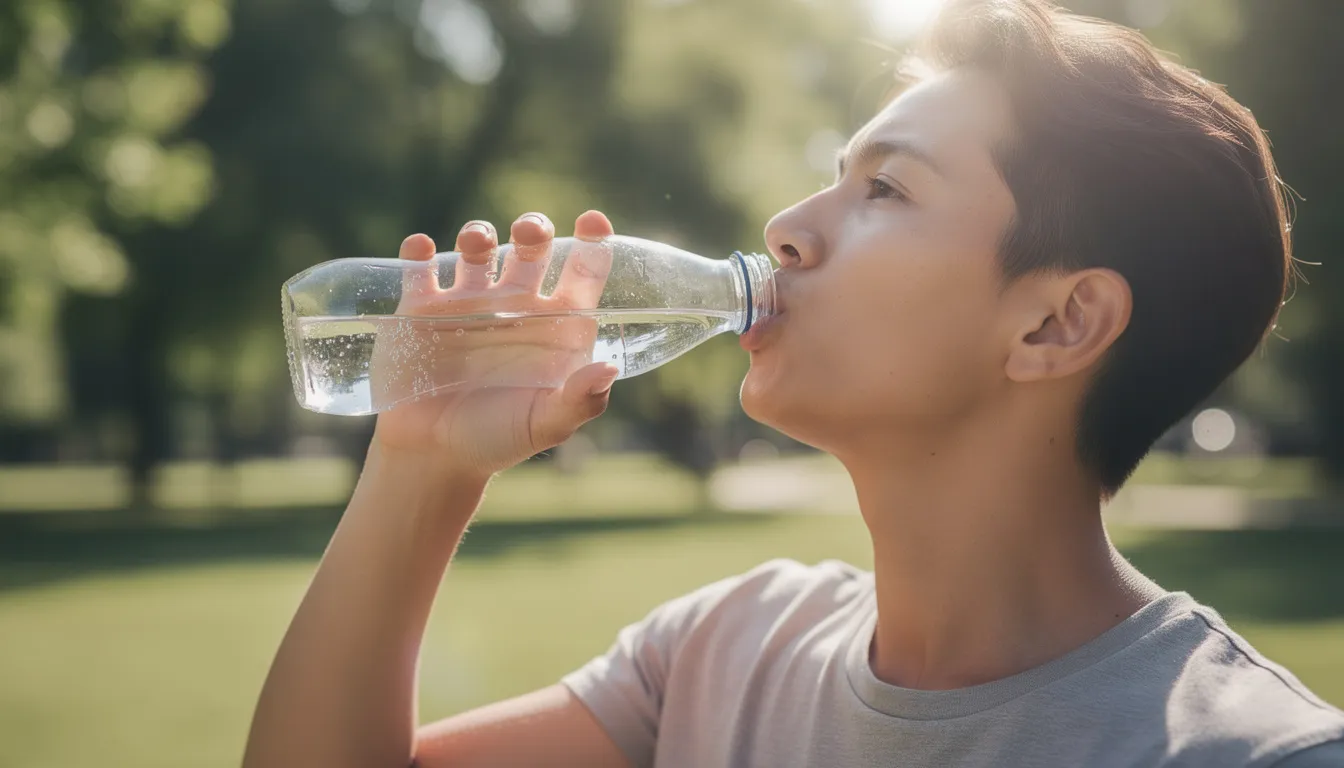
When you drink water, it travels through your mouth, esophagus, and stomach before reaching the small intestine where most absorption occurs. The fluid then filters through your kidneys before becoming available to your cells. This digestive process takes time—typically 1-3 hours depending on volume, stomach contents, and individual factors.
IV therapy works completely differently. Fluids are delivered through a catheter inserted into a vein, bypassing the digestive system entirely. This means 100% of what’s infused immediately enters your bloodstream and becomes available to tissues.
The composition differs significantly as well. Water is essentially H₂O with trace minerals depending on the source. Typical iv fluids—like 0.9% normal saline or lactated Ringer’s solution—contain carefully balanced electrolytes and can be supplemented with essential vitamins, antioxidants, and even medications.
One critical distinction: iv hydration must be administered by trained clinicians due to risks like infection, vein irritation, and potential fluid overload. Water, by contrast, is safe and accessible for nearly everyone.
How IV Therapy Works
Intravenous therapy has been a medical staple since the mid-20th century and remains standard practice in hospitals worldwide. More recently, it has expanded into wellness settings for targeted hydration and nutrient delivery.
The process is straightforward:
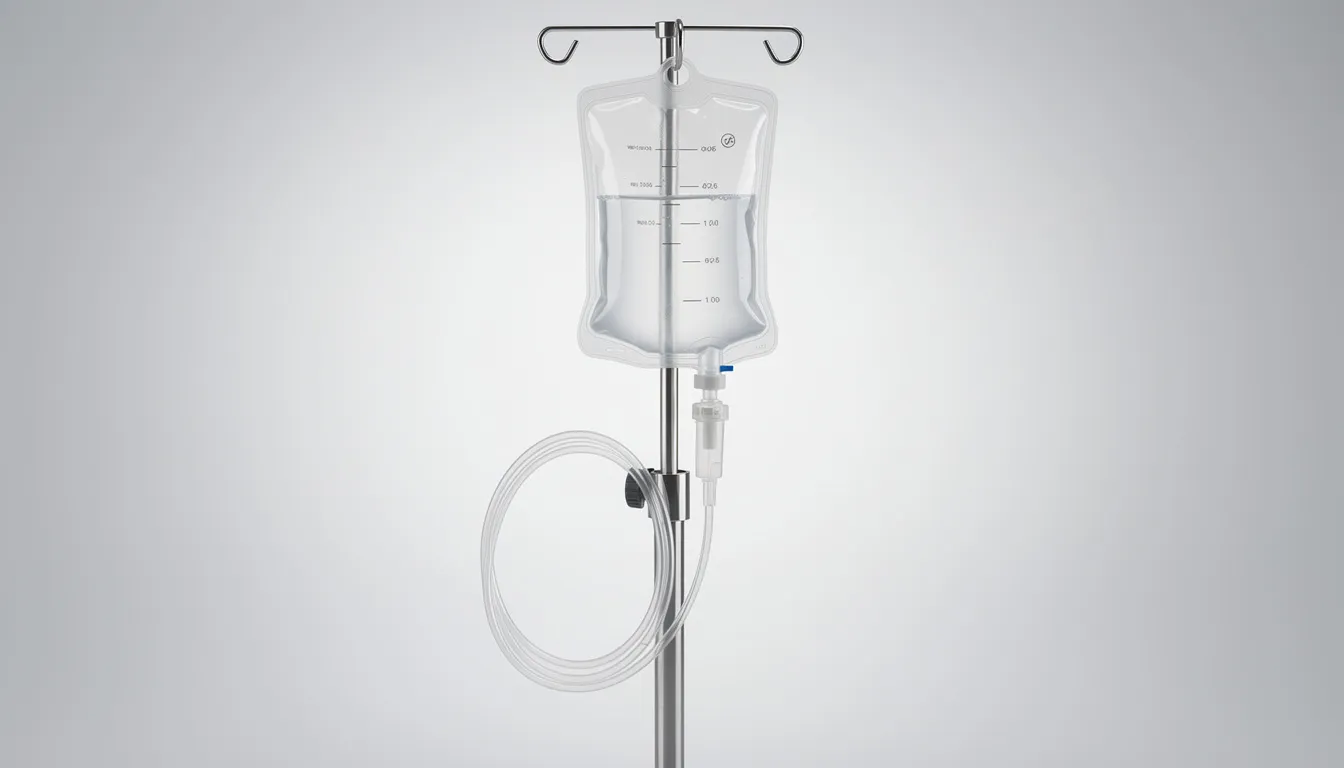
- A small catheter is inserted into a vein, typically in the arm
- The catheter connects to a bag of fluid hung above the patient
- Gravity (or sometimes a pump) controls the drip rate
- Fluids flow directly into the bloodstream over 30-60 minutes
Common iv fluid compositions include:
- Normal saline (0.9% sodium chloride): The most basic iv solution for hydration
- Lactated Ringer’s solution: Contains sodium, potassium, calcium, and lactate for more comprehensive electrolyte support
- Vitamin-enhanced formulas: May include vitamin C, B-complex vitamins, B12, magnesium, zinc, and other essential nutrients
Because iv fluids bypass the gut entirely, this method proves especially valuable when someone is vomiting, has severe diarrhea, is too unwell to drink, or has conditions impairing nutrient absorption like inflammatory bowel disease or certain gastric surgeries.
A typical iv treatment session runs 30-60 minutes depending on the volume being infused and the specific health concerns being addressed.
Key Benefits of IV Therapy Over Drinking Water
In specific situations, iv therapy offers distinct advantages over oral hydration. Here are the key advantages that make it valuable as a targeted intervention:
Rapid hydration when time matters
Research from the National Institutes of Health indicates that iv hydration can rehydrate the body up to 2.5 times faster than drinking water alone. Because fluids enter the circulation immediately, symptoms like lightheadedness, severe thirst, and fatigue can begin improving within minutes of starting the drip.
Precise electrolyte balance
IV solutions can be formulated to correct specific imbalances in sodium, potassium, or magnesium—something difficult to achieve quickly with plain water alone. The Journal of Clinical Medicine found that iv hydration significantly increased levels of key electrolytes compared to oral rehydration methods.
Higher nutritional payload
IV drips can deliver concentrated doses of nutrients like vitamin C, B vitamins, and glutathione that might cause stomach upset or have limited absorption if taken orally. This nutrient delivery method ensures these essential substances reach your cells without digestive interference.
Bypasses digestive issues
For people experiencing nausea, vomiting, irritable bowel flare-ups, or malabsorption conditions, drinking large volumes of water or oral rehydration solutions may be difficult or ineffective. IV therapy sidesteps these barriers entirely.
Customizable protocols
IV formulas can be tailored for specific goals—recovery from intense physical exertion, jet lag, migraine support, or post-viral fatigue—always under professional guidance. This targeted hydration approach addresses specific health concerns more precisely than water alone.
Limitations and Risks of IV Therapy
Like any medical procedure, iv therapy has downsides and isn’t necessary or appropriate for everyone.
Common minor risks include:
- Bruising at the insertion site
- Temporary discomfort during needle insertion
- Mild swelling around the vein
- A cool sensation along the vein during infusion
More serious but less common risks:
- Infection at the insertion site
- Phlebitis (vein inflammation)
- Allergic reactions to ingredients in the solution
- Fluid overload in people with heart, kidney, or liver disease
Certain populations require careful medical evaluation before receiving iv fluids:
- People with congestive heart failure
- Those with advanced kidney disease
- Individuals with uncontrolled high blood pressure
- Pregnant women with certain complications
Practical considerations also matter. IV therapy is more expensive and time-consuming than simply drinking water—an important factor for non-emergency use. Medical professionals must supervise each session, limiting accessibility compared to the universal availability of water.
How Drinking Water Hydrates the Body
The human body evolved to rely primarily on oral fluids and foods for hydration, making drinking water the most natural and sustainable strategy for maintaining fluid balance.
Here’s how the process works:
- Water enters the mouth and travels to the stomach
- It moves into the small intestine where most absorption occurs
- Absorbed water enters the bloodstream
- The cardiovascular system distributes fluid to organs and tissues
- Kidneys regulate how much water is retained or excreted as urine
The full hydration impact from a large glass of water can take 45-120 minutes depending on body size, recent meals, and your current hydration status. This is why consistent water intake throughout the day works better than chugging occasional large amounts.
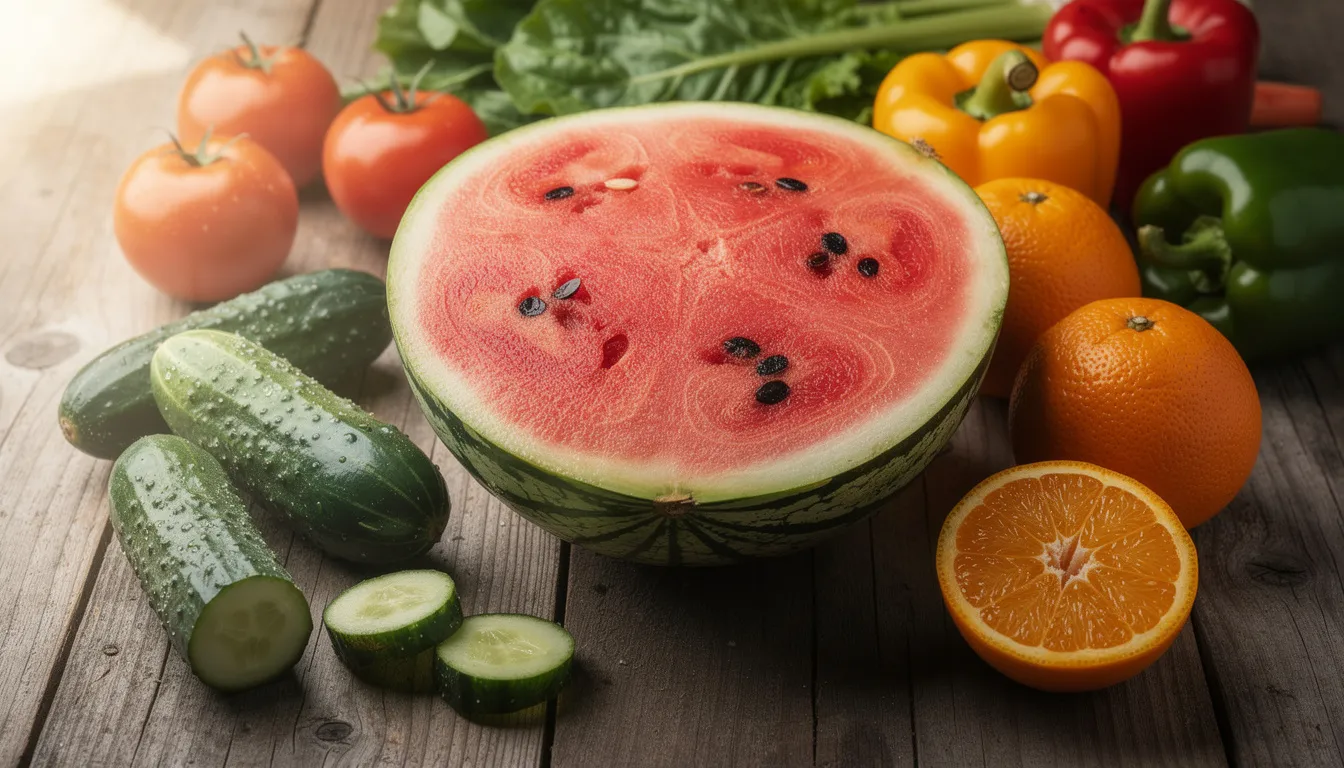
Water also arrives packaged in hydrating foods like cucumbers, watermelon, oranges, tomatoes, and soups, contributing meaningfully to daily fluid intake.
Current U.S. National Academies guidelines recommend:
- Adult women: Approximately 2.7 liters (about 91 ounces) per day from all beverages and foods
- Adult men: Approximately 3.7 liters (about 125 ounces) per day from all beverages and foods
Individual needs vary significantly based on climate, activity level, and overall health.
Benefits of Drinking Water
Even with access to iv therapy, drinking water should form the foundation of your hydration strategy. Here’s why consistent water intake wins for everyday hydration:
- Supports digestive health Regular water consumption aids digestion, helps prevent constipation, and supports regular bowel movements.
- Maintains cardiovascular function Adequate hydration keeps blood volume stable, supports healthy blood pressure, and ensures efficient circulation.
- Regulates temperature Water enables temperature regulation through sweating and proper circulation—essential during exercise or hot weather.
- Promotes cellular health Every cell in your body requires water to function properly, affecting everything from skin health to cognitive performance.
- Improves energy and alertness Adequate hydration can enhance mental clarity, mood, and physical performance, especially during exercise or demanding work.
- Extremely cost-effective Water is virtually free, widely accessible, and safe for long-term use in nearly all healthy individuals.
It’s worth noting the rare risk of overhydration (hyponatremia) from extreme water intake in a short time. Balance and moderation remain important even with something as fundamental as water.
IV Therapy vs Drinking Water: Speed, Composition, and Use-Cases
So which is actually better? The answer depends entirely on your specific situation.
Speed comparison:
| Method | Time to Notice Effects |
|---|---|
| IV Therapy | Minutes to start of drip |
| Drinking Water | 45-120 minutes for full distribution |
IV hydration offers immediate absorption that can start improving symptoms like lightheadedness within minutes. Drinking the equivalent volume of water takes 1-3 hours to fully distribute throughout your body.
Composition differences:
Water is essentially pure H₂O with trace minerals. Common iv bags include sodium and other electrolytes and can be fortified with essential vitamins and medications, making them more potent tools in acute settings.
Appropriate use-cases:
| Drinking Water Best For | IV Therapy Best For |
|---|---|
| Daily hydration needs | Severe dehydration recovery |
| Mild thirst | Illness with vomiting/diarrhea |
| Regular workdays and activities | Post-marathon or extreme exertion |
| Light to moderate exercise | Too much sun exposure with heat exhaustion |
| Long-term health maintenance | Pre/post-surgical care |
In hospital settings, iv fluids remain the standard for severe dehydration, sepsis, uncontrolled vomiting, and trauma. Patients are typically encouraged to transition back to oral fluids as soon as they can safely drink.
When IV Therapy Is Truly Better Than Water
In certain contexts, iv therapy delivers fluids and nutrients more effectively than drinking water ever could.
- Severe dehydration When experiencing severe dehydration—marked by very dry mouth, minimal or dark urine, rapid heart rate, low blood pressure, confusion, or inability to keep fluids down—iv therapy can be lifesaving. Rapid rehydration in these situations prevents dangerous complications.
- Illness and gastrointestinal issues Conditions like stomach flu with repeated vomiting, bad food poisoning, or flare-ups of Crohn’s disease or ulcerative colitis can make drinking water difficult or ineffective. IV hydration offers an alternative when the digestive process is compromised.
- Intense or prolonged physical activity Marathon runners, triathletes, and workers performing multi-hour outdoor labor in extreme heat can lose several liters of sweat along with substantial electrolytes. Sports medicine research shows athletes receiving iv hydration post-exercise demonstrated faster recovery and better electrolyte balance than those drinking water alone.
- Pre- and post-procedure care Many surgical patients receive iv fluids around anesthesia to maintain blood pressure and hydration when they cannot eat or drink. This ensures adequate hydration during and after procedures.
- Time-pressured recovery When quick hydration matters—recovering from a long flight for important travel, preparing for an athletic event, or bouncing back for a major presentation—iv therapy provides faster symptom relief than drinking water.
When Drinking Water Is the Better Choice
For the vast majority of everyday circumstances, water wins in terms of simplicity, cost, and safety.
- Daily maintenance Throughout a normal week—desk work, light exercise, errands—steady sipping of water and other beverages is all most people need to maintain optimal hydration levels.
- Long-term kidney and metabolic health Regular water intake supports healthy kidney filtration, helps prevent certain kidney stones, and aids metabolic processes. This consistent water intake creates sustainable patterns that intermittent iv therapy cannot replicate.
- Mild dehydration Dehydration symptoms like slight thirst, mildly dry lips, or a small drop in energy levels can almost always be corrected by drinking water or an oral rehydration solution. No iv treatment necessary.
- Cost and convenience Filling a reusable water bottle and sipping throughout the day costs virtually nothing and requires no appointments. IV sessions involve scheduling, traveling to a clinic, paying significant fees, and spending 30-60 minutes receiving treatment.
The bottom line: choose iv therapy for medical emergencies and specific acute needs. Rely on water for everything else.
How Much Water Equals One IV Bag?
A standard adult iv bag in many settings contains 500-1,000 mL—approximately 2-4 U.S. cups or roughly 16-32 ounces. But the comparison isn’t straightforward.
When you drink 500-1,000 mL of water, some fluid is lost through the digestive process and excreted as urine fairly quickly. An iv infusion delivers nearly all that volume directly into the bloodstream for immediate use by your body.
There’s no perfect 1:1 equivalence because several factors affect how much fluid your body retains:
- Current hydration status
- Sweating and breathing losses
- Kidney function
- Activity level
- Environmental conditions
Practical guidance:
If you’re only mildly dehydrated, drinking 2-3 glasses of water over an hour or two is usually sufficient. IV therapy becomes more appropriate when symptoms are moderate to severe, or when oral intake is limited due to illness.
Here’s a useful comparison: A 1-liter iv bag given over 45 minutes can restore lost fluids from several hours of heavy sweating much faster than drinking the same liter spread over 2-3 hours. The efficient hydration from iv delivery makes a significant difference in acute situations.
Can IV Therapy Replace Drinking Water?
No. IV therapy cannot and should not replace daily drinking water for healthy individuals.
IV therapy is episodic and invasive, requiring needle insertion and sterile technique for each session. Drinking water is continual and supports your body’s natural regulatory systems—thirst signals, kidney function, and fluid balance mechanisms that evolved over millions of years.
Your body is designed to manage fluid and electrolyte balance primarily through oral intake, digestion, and urination. Bypassing these systems routinely could potentially mask underlying health issues or create unnecessary medical risks.
Consider these realities:
- IV drips require professional administration and sterile conditions
- Each session costs money and takes time
- Frequent needle insertions carry cumulative risks
- Your body’s natural thirst mechanism guides appropriate intake
Relying on iv drips instead of building a consistent drinking habit is neither practical nor evidence-based. It could expose you unnecessarily to medical risks and costs while neglecting the foundational habit your body actually needs.
The healthiest strategy: use water as your foundation, include hydrating foods and a balanced diet for support, and reserve iv therapy as a specialized tool when medically indicated or when rapid, supervised rehydration provides clear value.
Practical Tips to Stay Hydrated With Water
Even with access to iv therapy for specific situations, most of your hydration should come from simple daily habits. Here’s how to make better hydration effortless:
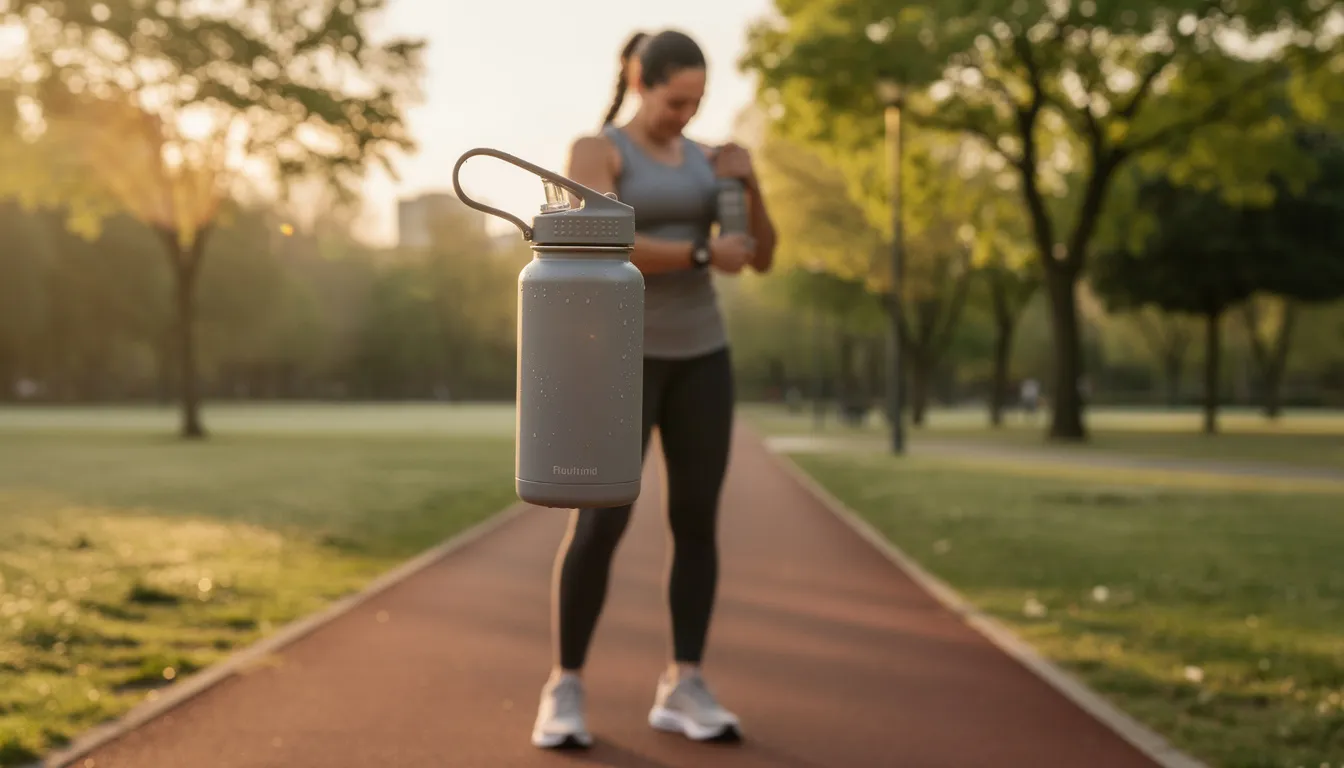
Use a marked water bottle Choose a reusable bottle with clear volume markings. Set a goal to finish 2-3 refills of a 20-ounce bottle throughout the day based on your individual needs.
Space your intake throughout the day Rather than chugging large amounts occasionally, aim for:
- A glass with breakfast
- One mid-morning
- A glass with lunch
- One mid-afternoon
- A glass with dinner
- One in the evening
Incorporate hydrating foods Add water-rich foods to your diet:
- Cucumbers (96% water)
- Watermelon (92% water)
- Oranges and citrus fruits
- Tomatoes
- Berries
- Soups and broths
Monitor dehydration symptoms Pay attention to early signs that your hydration levels need attention:
- Thirst (often a late signal)
- Darker urine color
- Mild headache
- Fatigue
- Dry lips or mouth
Limit fluid-depleting habits Excess alcohol and very high caffeine intake can contribute to fluid loss. While moderate coffee consumption is fine for most people, balancing it with adequate water helps maintain proper hydration.
Set reminders if needed If you frequently forget to drink, set phone reminders or use a hydration tracking app until the habit becomes automatic.
FAQ
Is IV therapy safe to use regularly if I feel tired or dehydrated often?
IV therapy is generally safe when administered by qualified medical professionals, but frequent use without medical necessity deserves careful consideration. Feeling tired or thirsty all the time may signal underlying issues like anemia, thyroid problems, diabetes, or sleep disorders that iv fluids alone cannot address. Before scheduling regular iv sessions, consult with a healthcare provider to rule out root causes of your symptoms. Occasional iv treatment for specific needs can be reasonable, but the priority should always be addressing underlying health issues and maintaining robust daily hydration with water.
How long do the effects of an IV hydration session usually last?
Many people notice improvement—less dizziness, fewer headaches, improved energy levels—within minutes to an hour after the drip finishes. The benefits of iv hydration typically last anywhere from several hours to a full day or two, depending on the situation. Duration depends on factors like ongoing fluid losses from sweating or illness, how dehydrated you were initially, and your overall sleep and nutrition quality. An iv provides a reset or boost, but its effects fade if you return to under-drinking water or pushing your body without adequate rest and recovery.
Can I get too much fluid from IV therapy?
Yes, receiving more fluid than your body can comfortably handle is possible, particularly in people with heart failure, kidney disease, or severe liver problems. This is precisely why proper medical screening and appropriate dosing are essential before any iv treatment. Signs of fluid overload include shortness of breath, swelling in the ankles or hands, and rapid weight gain over a very short period. Trained clinicians calculate appropriate volumes and infusion rates based on your medical history to minimize this risk significantly.
Is IV hydration better than sports drinks after a workout?
For most moderate workouts under an hour, water—and occasionally a standard sports drink or liquid iv for longer or very sweaty sessions—is more than adequate and much simpler than arranging iv therapy. IV hydration becomes more appropriate after very intense or prolonged events like marathons, triathlons, or multi-hour outdoor labor in extreme heat, particularly when you’re experiencing significant dehydration symptoms. Match your approach to the intensity of your activity: save iv therapy for times when symptoms are severe or rapid recovery is particularly important for your overall health and performance.
Does IV therapy improve skin and anti-aging more than just drinking water?
Proper hydration—by mouth or iv—can temporarily make skin appear plumper and more radiant by supporting cellular health and tissue hydration. However, iv therapy does not reverse intrinsic aging or replace sun protection, adequate sleep, and good skincare practices. Some iv blends include antioxidants and essential vitamins that support collagen production and skin health, but scientific evidence for dramatic anti-aging effects in healthy people remains limited. The most reliable skin strategy combines consistent hydration with both drinking water and hydrating foods, daily sunscreen use, a balanced diet rich in fruits and vegetables, and professional guidance from a dermatologist when needed.